



How to Choose the Best Connector Fittings for Your Needs?
Choosing the right connector fittings is crucial for ensuring a secure and efficient connection in various applications. Expert engineer Dr. Sarah Johnson, a renowned authority in the field, emphasizes, “Quality connector fittings can significantly impact overall system performance.” This highlights the importance of selecting the right fittings tailored to specific needs.
Connector fittings come in various shapes, sizes, and materials, allowing for flexibility in use. However, with so many options available, finding the ideal choice can feel overwhelming. It's essential to consider factors such as pressure ratings, temperature limits, and material compatibility. Each factor plays a vital role in the overall effectiveness and reliability of the connection.
Additionally, one must reflect on the long-term implications of their selection. The wrong connector may lead to leaks or failures, resulting in costly repairs or downtime. Therefore, weighing the pros and cons of each option ensures a well-informed decision. Your choice of connector fittings can make or break your project's success, so take the time to evaluate your needs thoroughly.
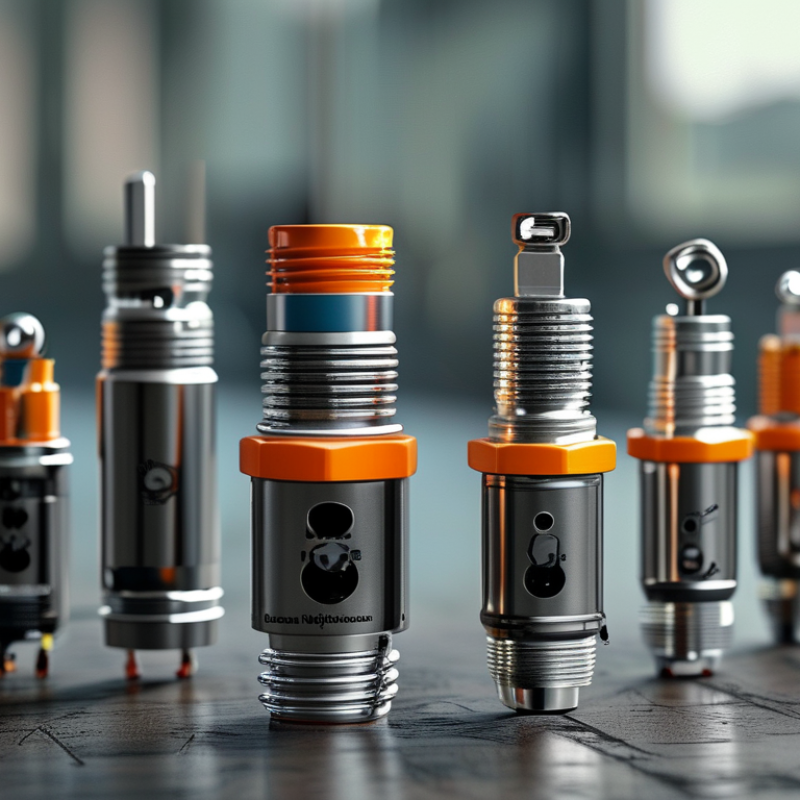
Understanding the Different Types of Connector Fittings
Choosing the right connector fittings can be challenging. Various types of connector fittings are available, each serving a specific purpose. Understanding these differences is crucial for making an informed decision.
One common type is the compression fitting. These fittings are designed to connect two pipes securely. They work by compressing an inner ring against the pipe, creating a tight seal. This type is ideal for high-pressure situations. However, installation requires precision. A poorly installed compression fitting can lead to leaks.
Another popular option is the push-fit connector. This fitting offers ease and speed of installation. Simply push the pipe into the fitting, and it locks in place. They are convenient for DIY projects. Yet, while simple, their reliability can vary based on pipe material. Make sure to check compatibility.
Selecting the best connector fitting depends on your specific needs. Reflect on what type of pipes you are using and where the connection will be made. It’s essential to consider factors like pressure, temperature, and installation environment. Mistakes can be costly. Always do thorough research before making a final choice.
Connector Fittings Selection: Types and Usage
Assessing Compatibility with Your Existing Systems
When selecting connector fittings, assessing compatibility with existing systems is crucial. The right connector ensures seamless integration, reducing downtime and maintenance issues. Start by analyzing your current setup. Consider the materials, sizes, and specifications of the existing components. Deviating from these can lead to unexpected challenges.
It can be tempting to overlook small details. A mismatch in size can result in leaks or pressure losses. Materials also matter. For example, metal connectors might not be ideal for plastic systems. Think about the environment too. Extreme temperatures or corrosive substances can impact performance. Ensuring all factors align will lead to better reliability.
Review your options thoroughly. Seek specifications and technical data. Consulting with professionals can provide insights, but trust your instincts too. If something feels off, don't hesitate to reassess your choices. Compatibility is often a nuanced topic, and it's easy to miss key aspects. Allow room for adjustments when necessary. The best solutions often come from careful consideration and occasional second-guessing.
Evaluating Material Options for Durability and Performance
Choosing the right connector fittings starts with evaluating the materials used, which greatly impacts durability and performance. Reports indicate that materials like stainless steel and brass dominate the industry due to their strength and resistance to corrosion. For example, stainless steel offers a tensile strength of 220 MPa in its commonly used forms, making it a reliable choice for high-stress applications. Conversely, aluminum connectors, which are lightweight and cost-effective, may not withstand harsh environments as effectively, with corrosion rates significantly higher in saltwater.
Consider the operational environment when selecting materials. High-temperature applications often require specialized composites or thermoplastics, which can endure heat without losing structural integrity. Many engineers recommend nylon fittings for their impressive impact resistance, outperforming traditional materials in certain cases. However, it is essential to recognize that not all plastic connectors are created equal; some may degrade quicker under UV exposure, impacting longevity.
Understanding the specific demands of your application can lead to better material choices. The average lifespan of fittings in heavy-duty use may be as low as five years if improper materials are used. This highlights the importance of thorough evaluation and selection based on both mechanical properties and environmental conditions. With a growing number of options, making informed decisions is crucial to ensuring reliability and performance.
How to Choose the Best Connector Fittings for Your Needs?
| Material | Durability Rating | Temperature Resistance (°C) | Typical Applications | Cost Range ($) |
|---|---|---|---|---|
| Brass | High | -40 to 200 | Plumbing, Pneumatics | $1 - $5 |
| Stainless Steel | Very High | -200 to 800 | Food Processing, Chemical | $5 - $20 |
| Plastic | Medium | -40 to 90 | Electrical, Low-Pressure Systems | $0.50 - $3 |
| Aluminum | Medium to High | -40 to 150 | Aerospace, Automotive | $2 - $10 |
| Bronze | High | -50 to 200 | Marine, Electrical | $3 - $15 |
Determining the Right Size and Specifications
When selecting connector fittings, size and specifications are crucial. Measure the diameter of the pipes or hoses you intend to connect. An incorrect measurement can lead to leaks and inefficiencies. Consider the application. Will the connectors handle high pressure or corrosive materials? This will significantly impact your choice.
Understanding the material is also important. Some connectors are more suited for specific environments. For instance, stainless steel offers durability but may not be the best choice for all chemical exposures. Inspect the fitting’s threading and sealing methods too. A misalignment can cause serious issues in function.
Many overlook the significance of compatibility. Ensure that your chosen fittings match other system components. This saves time and frustration down the line. It's essential to pay attention to manufacturer specifications. They provide guidance for installation and performance expectations. Evaluate available resources, like manuals or technical specifications, before making a final decision. This careful approach can prevent costly mistakes in your projects.
Considering Application-Specific Requirements and Regulations
Choosing the right connector fittings involves understanding application-specific requirements. Start by assessing the environment where fittings will be used. Are they exposed to extreme temperatures or chemicals? Each setting demands specific materials. For instance, harsh environments may require corrosion-resistant options. Conduct a thorough analysis of the conditions to ensure durability and functionality.
Consider regulatory standards that apply to your industry. Different sectors, like aerospace or healthcare, have strict guidelines. This can include material safety and performance testing. Verify that the connector fittings meet these regulations to avoid compliance issues. Not every fitting will pass these criteria. Sometimes, you may find products that seem suitable but fail under scrutiny.
As you navigate your options, reflect on the long-term implications. Think about the maintenance and replacement process of the fittings. Some choices might promise ease of installation but could lead to frequent issues later. Prioritize reliability and performance over immediate cost savings. It’s crucial to invest in components that align with quality standards and long-term needs.
Article Source:

Whether your solution requires a single pumping application or an expansive engineered system,
CheckPoint is committed to becoming your partner in excellence.


