



How to Choose the Right DC Contactor Relay for Your Needs?
Choosing the right DC Contactor Relay is crucial for ensuring optimal performance in electrical systems. According to a recent market report by MarketsandMarkets, the demand for DC contactor relays is expected to grow significantly, driven by advancements in automation and renewable energy sectors. This trend highlights the importance of understanding how to select relays that meet specific application needs.
When considering DC contactor relays, factors such as voltage ratings, current capacity, and response times play essential roles. Reports indicate that improper selection can lead to system inefficiencies or even equipment failures. These challenges underline the need for professionals in the field to possess thorough knowledge of relay specifications.
Moreover, experts suggest that a reliable DC contactor relay must not only match the technical requirements but also be compatible with existing infrastructure. Evaluating manufacturer certifications and product reviews can provide insight into the reliability and operational performance of different models. Thus, a thoughtful approach to selecting a DC contactor relay directly influences both operational success and system longevity.
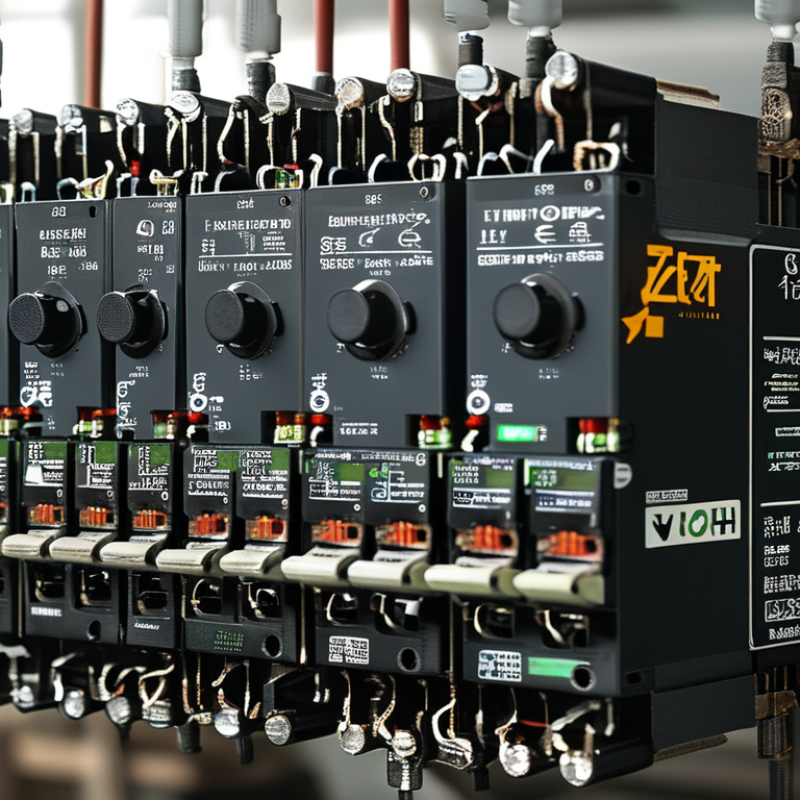
Understanding DC Contactor Relays: Basics and Functions
DC contactor relays play a crucial role in controlling electrical circuits. They manage high currents with low input signals. Understanding their basics is essential for making informed choices. A DC contactor operates like a switch. It opens or closes circuits, responding to control signals. This simple function allows for efficient energy management.
When selecting a contactor relay, consider its amperage rating. This rating influences how much current can safely pass through the relay. You must assess the voltage requirements too. If the voltage is too high or low, the relay might not work effectively. Additionally, check the relay's physical size and mounting options. Space constraints can significantly impact your choice.
Another vital factor is the relay's lifespan and reliability. Some relays may wear out quickly under heavy usage. Researching user experiences can help gauge durability. It’s also wise to examine environmental factors, such as temperature and humidity. Extreme conditions can affect performance. Gathering this information will empower you to choose the right DC contactor relay for your needs.

Key Factors in Selecting the Right DC Contactor Relay
Choosing the right DC contactor relay is crucial in ensuring electrical systems operate efficiently and safely. One key factor to consider is the voltage and current ratings of the relay. According to a report by the International Electrotechnical Commission, DC relays can vary widely, with standard voltage ratings ranging from 12V to 600V. It's vital to match the relay's ratings with your application to prevent potential failures.
Another important aspect is the relay’s operation mechanism. Electromechanical relays are commonly used due to their robustness, but they may not offer the fast switching times of solid-state relays. A study by the Institute of Electrical and Electronics Engineers indicates that solid-state options can sustain faster cycle rates, making them suitable for high-frequency applications. However, they may generate more heat, which could raise concerns for heat dissipation in compact systems.
Environmental factors also play a significant role. Relays exposed to harsh conditions need to be rated for specific environments. A Journal of Environmental Engineering report highlights that moisture and dust can significantly decrease relay life. Thus, selecting the appropriate enclosure, such as an IP-rated one, can enhance reliability. Evaluating these factors ensures a well-informed choice, promoting longevity and performance in your electrical systems.
Different Types of DC Contactor Relays and Their Applications
When selecting a DC contactor relay, understanding the different types available is essential for meeting specific needs. These relays come in various configurations, including single-pole and double-pole options. Single-pole relays are ideal for simple switching tasks, while double-pole relays can handle more complex circuits. Knowing the circuit requirements is crucial. A mismatch can lead to failures.
Another factor to consider is the application of the contactor relay. For instance, automotive systems often utilize compact relays designed for high current loads in a confined space. Conversely, industrial applications may require larger relays that can operate under harsher conditions. Temperature ratings and environmental factors also play vital roles in longevity.
It's also important to evaluate the voltage ratings and switching capacity. Miscalculations can result in undesirable outcomes. Inspecting connectors and ensuring secure wiring will further enhance reliability. Every choice made should reflect a balance between performance and safety. This careful consideration ensures that the selected relay suits its intended purpose.
How to Choose the Right DC Contactor Relay for Your Needs?
| Type of DC Contactor Relay | Voltage Rating | Current Rating | Applications |
|---|---|---|---|
| Standard DC Contactor Relay | 12V, 24V, 48V | 20A, 40A, 60A | Automotive, Lighting Control |
| High Current DC Contactor Relay | 48V, 120V | 100A, 150A | Industrial Machinery, Heavy Equipment |
| Miniature DC Contactor Relay | 6V, 12V | 10A, 15A | Home Appliances, Low Power Devices |
| Latching DC Contactor Relay | 12V, 24V | 20A | Battery Management Systems, Energy Storage |
| Smart DC Contactor Relay | 24V, 48V | 30A, 50A | Smart Homes, IoT Devices |
Evaluating Electrical Specifications for Your Needs
Choosing the right DC contactor relay hinges on understanding your specific electrical requirements. Evaluating electrical specifications is crucial. Key factors include voltage, current ratings, and temperature tolerance. For instance, a report from the International Electrotechnical Commission states that reliability increases when the relay operates within 80% of its rated load. This minimizes wear and maximizes longevity.
Current ratings significantly influence the performance of your system. It's essential to select a relay that can handle peak currents without overheating. Studies show that operating a relay at 70% of its rated capacity can enhance efficiency. Additionally, the maximum operating voltage should exceed your system demands. Operating at recommended levels prevents malfunction.
Environmental factors are also critical. High temperatures can impair relay function. Data indicates that every 10°C above rated temperature reduces relay lifespan by 50%. Consider ambient conditions when choosing your relay. Make sure it can withstand potential environmental challenges. Some relays may not perform reliably under certain conditions. It's important to evaluate requirements thoroughly before making a decision.
Tips for Installation and Maintenance of DC Contactor Relays
When installing a DC contactor relay, proper placement is crucial. Ensure that the relay is situated in a dry and well-ventilated area. Dust and moisture can lead to malfunctions. Use appropriate mounting methods to secure the relay. Address any issues with wiring. Poor connections can cause overheating and failure.
Maintenance is as vital as installation. Regularly inspect the relay for signs of wear. Look for any discoloration, which may indicate overheating. Clean the contact points gently to remove any built-up grime. Schedule routine checks to prevent unexpected breakdowns. Keep a maintenance log to track performance over time. Small observations can lead to significant improvements.
Even with these precautions, issues may arise. Perhaps the relay fails to operate as expected. This might result from incorrect voltage ratings. Take time to review your installation guide. If uncertainties persist, consult an expert. Their insights can clarify complex issues. Reflection on these practices enhances reliability and overall system performance.
DC Contactor Relay Selection: Voltage Ratings and Load Types
This chart displays the maximum load current for various DC voltage ratings commonly used in contactor relays. Choosing the correct voltage rating based on the load current is essential for optimal performance and reliability of the relay in different applications.
Article Source:

Whether your solution requires a single pumping application or an expansive engineered system,
CheckPoint is committed to becoming your partner in excellence.


