



How to Choose Pocket Filter Media for Better Air Quality?
Choosing the right pocket filter media is crucial for maintaining healthy indoor air quality. Air filtration systems rely on effective media to capture pollutants and allergens. Poor choices can lead to a buildup of dust and other harmful particles in the air we breathe.
Consider the different types of pocket filter media available. Some materials may offer better filtration but can restrict airflow. Others might be too coarse to capture fine particles. This balance is essential. Inadequate filtration can contribute to respiratory issues, while overly dense media can strain HVAC systems.
Moreover, reflect on your specific needs. Are you in a dust-prone area? Is the environment sensitive, requiring stricter filtration? Every choice has trade-offs. Thoughtful selection of pocket filter media can lead to noticeable improvements in air quality. However, overlooking details may result in less effective filtration.
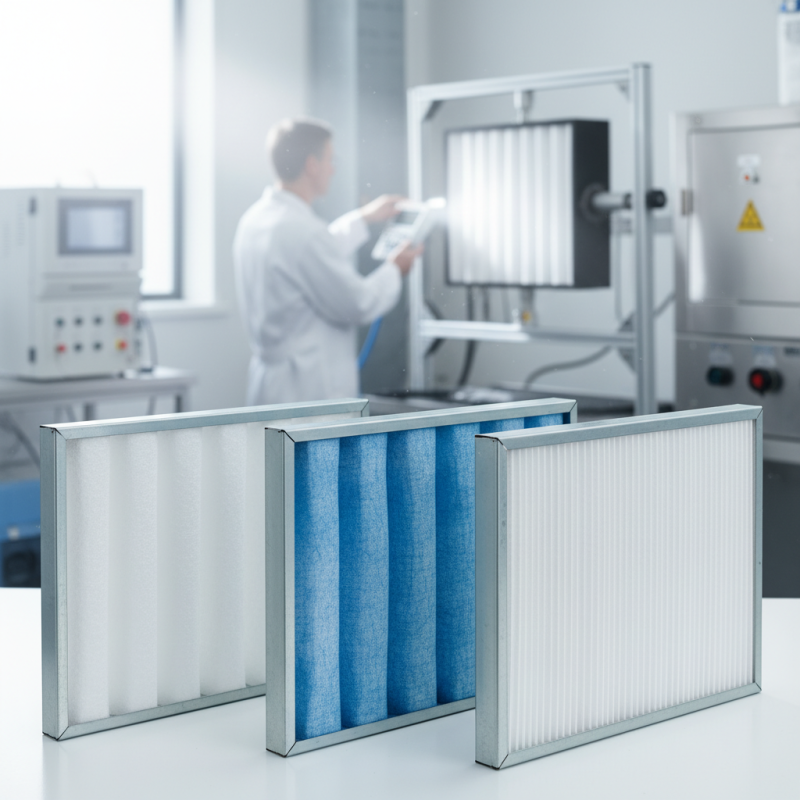
Understanding the Importance of Pocket Filter Media for Air Quality
Pocket filter media play a vital role in maintaining air quality. These filters capture particles and pollutants, significantly reducing airborne contaminants. According to a report by the American Society of Heating, Refrigerating and Air-Conditioning Engineers (ASHRAE), effective filtration can improve indoor air quality by up to 95%. This is crucial for environments like hospitals and offices, where clean air is essential.
The choice of pocket filter media affects efficiency and longevity. High-efficiency particulate air (HEPA) filters capture 99.97% of dust, pollen, and smoke particles. However, not all pocket filters meet this standard. Many do not function well in high humidity or extreme temperatures. Regular monitoring and evaluation are necessary. A common issue is filter neglect, leading to lower performance.
Opting for the right pocket filter requires understanding the specific air quality needs. Data from the Environmental Protection Agency (EPA) suggests that poor indoor air quality can lead to health issues, including respiratory problems. Thus, selecting appropriate filter media is a critical detailing choice that can profoundly impact health and well-being. Making informed decisions based on quality, environment, and maintenance can lead to more significant benefits.

Types of Pocket Filter Media and Their Specific Applications
When selecting pocket filter media, understanding the types available is crucial. Various materials cater to specific applications. For example, synthetic media often excels in capturing fine particles and dust. It’s lightweight and provides good airflow. However, it can sometimes lack durability in high-humidity environments.
On the other hand, fiberglass media is known for its robustness. This option is effective in both commercial and industrial settings. It withstands extreme conditions but may not capture as many small particles as synthetic alternatives. The choice largely depends on the unique needs of your environment.
Some applications demand high efficiency and filtration, such as hospitals or labs. In these cases, HEPA-rated media could be essential. Yet, they can be costlier and may require frequent changes. This raises questions about balancing budget and performance. Users often overlook the importance of regular maintenance and monitoring.
How to Choose Pocket Filter Media for Better Air Quality? - Types of Pocket Filter Media and Their Specific Applications
| Filter Media Type | Filtration Efficiency | Application Purpose | Recommended Airflow Rate |
|---|---|---|---|
| Synthetic Fiber | 90% - 99% | General HVAC systems, commercial buildings | 500 - 2000 CFM |
| Pleated Filter | 85% - 95% | Pre-filtering, residential applications | 300 - 1500 CFM |
| Activated Carbon | Variable (odor removal) | Odor control, industrial applications | 200 - 1000 CFM |
| HEPA Filter | 99.97% at 0.3 microns | Critical environments, hospitals | 150 - 600 CFM |
| Electrostatic Filter | High efficiency for small particles | Indoor air quality improvement | 400 - 1800 CFM |
Key Factors to Consider When Selecting Pocket Filter Media
Choosing the right pocket filter media is crucial for achieving optimal air quality. A key factor is the filter's efficiency rating. Filters are often rated using the MERV system, which measures their ability to capture particles of different sizes. Research indicates that filters with a MERV rating between 8 and 12 can effectively trap dust, pollen, and even mold spores. However, it’s essential to assess the specific needs of your environment. Sometimes a higher MERV rating may restrict airflow too much, leading to inefficiencies.
Another important consideration is the type of fiber material used in the filter. Synthetic fibers often provide better durability and resistance to moisture compared to natural fibers. According to industry reports, synthetic filters can last up to 30% longer than their natural counterparts. This longevity can reduce the frequency of replacements, but it may also require better upfront cost considerations.
The thickness of the media also plays a significant role. Thicker filters tend to have a larger surface area for trapping particles. This may enhance performance, but it can also increase pressure drop. An analysis by the American Society of Heating, Refrigerating and Air-Conditioning Engineers (ASHRAE) suggests that balancing thickness and airflow is critical. Many facilities struggle with this balance, leading to overlooked maintenance and performance issues.
Evaluating Filter Efficiency Ratings for Optimal Air Filtration
When evaluating filter efficiency ratings, it's crucial to focus on the MERV (Minimum Efficiency Reporting Value) standards. MERV ratings range from 1 to 16. A higher MERV means the filter captures more airborne particles. For residential use, a MERV rating between 8 and 13 is often recommended. Filters in this range remove dust, pollen, and pet dander effectively, improving indoor air quality significantly.
Filters with a MERV rating of 14 or higher are suitable for commercial spaces. They capture bacteria and smoke particles. According to the American Society of Heating, Refrigerating and Air-Conditioning Engineers (ASHRAE), these filters can reduce airborne pollutants by up to 95%. However, it's essential to ensure that the HVAC system can handle the increased airflow resistance.
Tips: Always check your HVAC system's specifications before choosing a filter. A filter with too high a MERV rating can restrict airflow. This could lead to unnecessary strain on your system. Regularly changing filters is also vital. Dirty filters can decrease efficiency and increase energy costs. Choose filters based on your environment and specific air quality needs.
Maintenance Tips for Prolonging the Life of Pocket Filter Media
Maintaining pocket filter media is crucial for ensuring optimal air quality. Regular maintenance extends the lifespan of filters and enhances their performance. Reports suggest that filters can lose 20-35% efficiency after just a few months of use if not properly cared for. This highlights the importance of monitoring airflow and pressure drops.
Routine inspections are essential. Check for dirt accumulation every month. Clean the filter surfaces gently or replace them according to manufacturer recommendations. Keeping filters dry prevents mold growth and maintains airflow efficiency. Industry data shows that proper maintenance can boost filter life by 50%.
Moreover, assessing filter placement is important. Filters should be positioned where airflow is steady and unimpeded. This simple adjustment can drastically improve filter performance. Remember, a neglected filter can lead to increased energy costs and compromised air quality. Being attentive to these maintenance tips will yield noticeable improvements over time.
Article Source:

Whether your solution requires a single pumping application or an expansive engineered system,
CheckPoint is committed to becoming your partner in excellence.


