


What is Chlorinated Polypropylene CPP and Its Applications?

Chlorinated polypropylene (CPP) is a versatile material in various industrial applications. Its unique properties make it a popular choice for coatings, adhesives, and sealants. According to Dr. Emily Carter, an expert in polymer science, "chlorinated polypropylene cpp offers unmatched durability and flexibility in challenging environments."

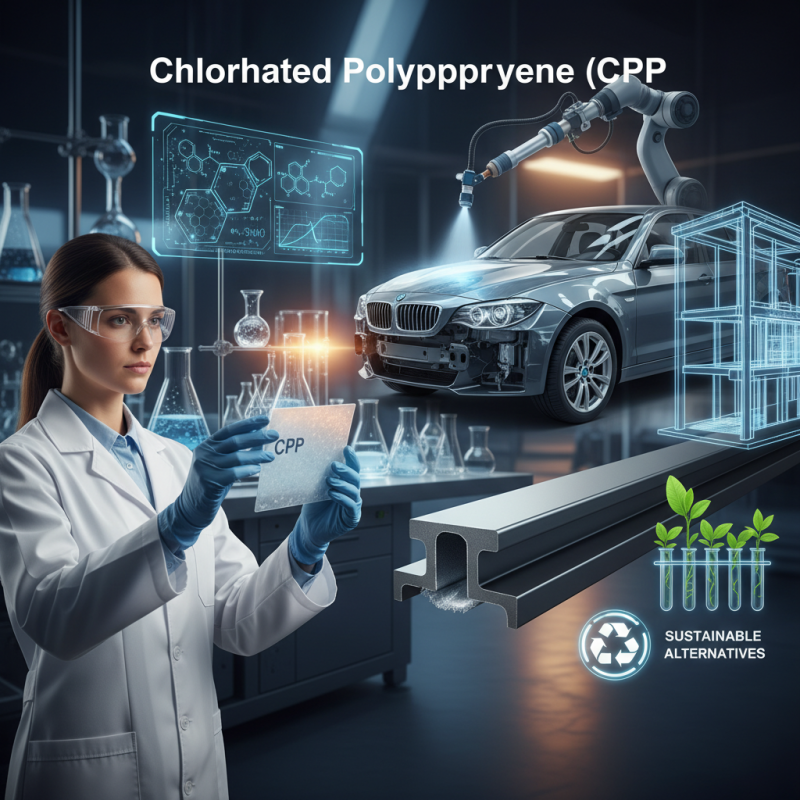
In many industries, chlorinated polypropylene CPP finds use in protective coatings for metal surfaces. Its chemical resistance helps prolong the lifespan of equipment. Moreover, CPP serves as an exceptional adhesive component due to its strong bonding capabilities. The material's adaptability is evident in its applications, from automotive to construction.

However, the industry must address certain challenges. There are concerns regarding the environmental impact of chlorinated polypropylene CPP. Ongoing research aims to find sustainable alternatives that maintain performance. As we explore its uses, it's crucial to balance innovation with environmental responsibility.
What is Chlorinated Polypropylene CPP and Its Applications?

What is Chlorinated Polypropylene (CPP)?

Chlorinated Polypropylene (CPP) is a unique thermoplastic that's gaining traction across various industries. This polymer is produced by chlorinating polypropylene, enhancing its properties significantly. The result is a versatile material exhibiting excellent chemical resistance and thermal stability. Industrial reports estimate the CPP market will reach approximately USD 1.24 billion by 2025, reflecting a compound annual growth rate of 6.5%.

CPP is widely utilized in coatings, adhesives, and sealants due to its superior adhesion properties. In the automotive sector, CPP enhances durability and protection against environmental factors. Its use in textiles and non-woven applications further amplifies its versatility. Interestingly, while CPP’s benefits are clear, some manufacturers face challenges in achieving consistency in product quality.

Despite its advantages, CPP does have limitations. The degree of chlorination can impact its mechanical properties. Finding the right balance in chlorination is crucial yet tricky. Additionally, there are concerns regarding the environmental impact of CPP production. Industry experts advocate for ongoing research to address these issues. As such, while CPP serves many applications, a careful approach to its use is essential in promoting sustainability.
Chemical Properties and Characteristics of CPP

Chlorinated Polypropylene (CPP) is a versatile polymer known for its unique chemical properties. It has a remarkable resistance to heat, chemicals, and solvents, making it ideal for various industrial applications. Its structure includes chlorinated groups that enhance its compatibility with other materials. This attribute is critical in the automotive and construction sectors where durable coatings and adhesives are crucial.

Recent industry reports indicate that the global market for CPP is projected to grow at a compound annual growth rate (CAGR) of 5.3% from 2023 to 2028. This growth is attributed to the increasing demand for high-performance materials in coatings and sealants. According to a study by the American Coatings Association, CPP-based formulations exhibit superior adhesion properties. These formulations ensure that coatings maintain integrity under extreme conditions, which is essential for long-lasting applications.

Despite its advantages, CPP can present challenges. It requires careful formulation to balance performance and cost. Additionally, improper processing can lead to variations in quality. As the market evolves, ongoing research is necessary to optimize its properties. The potential for new applications is huge, yet the need for further exploration in manufacturing techniques remains evident.

Manufacturing Process of Chlorinated Polypropylene

Chlorinated Polypropylene (CPP) is a thermoplastic polymer widely used across various industries. Its production process is a sophisticated endeavor, involving chlorination of polypropylene to enhance properties like chemical resistance and thermal stability. This process includes dissolving polypropylene in a solvent, followed by chlorine gas exposure under controlled conditions. The chlorination level can be adjusted, affecting the material's characteristics, such as its flexibility and bonding capabilities.

According to a recent market analysis, the global CPP market is expected to grow at a CAGR of 4.5% from 2023 to 2030. Specific applications include coatings, adhesives, and sealants for automotive and industrial purposes. It demonstrates excellent adhesion to various substrates, making it ideal for protective coatings. Yet, challenges remain in ensuring uniformity in chlorination across batches. Variability can lead to differences in performance, impacting end-use applications.

Quality control in manufacturing CPP is critical. Technological advancements have improved production efficiency, but inconsistencies still exist. Moreover, the environmental impact of solvents used during production should not be overlooked. Continuous research into more sustainable manufacturing processes is vital. By addressing these concerns, the industry can enhance both product reliability and overall environmental sustainability.

Applications of CPP in Various Industries

Chlorinated Polypropylene (CPP) is a versatile polymer with various applications across industries. In automotive manufacturing, CPP is used for coatings and adhesives. Its excellent chemical resistance makes it suitable for underbody coatings. Producing lightweight and durable materials is a significant advantage in this sector.

In the packaging industry, CPP serves well in films and coatings. Its ability to provide moisture resistance helps protect food products. This ensures freshness and extends shelf life. However, the environmental impact of CPP in packaging must be considered. Some formulations may not be as recyclable as desired, raising concerns.

The textile industry also benefits from CPP. It enhances fabric durability and water resistance. This is crucial for outdoor apparel. Yet, there are ongoing discussions about alternative materials that may be more sustainable. Balancing performance and environmental responsibility remains a challenge for producers.

Advantages and Challenges of Using CPP

Chlorinated Polypropylene (CPP) is increasingly popular in various industries, including automotive and coatings. Understanding its advantages and challenges is vital for effective use.

One major advantage of CPP is its excellent chemical resistance. It withstands exposure to various solvents and oils, making it ideal for protective coatings. Additionally, CPP offers good thermal stability. This characteristic is essential in applications where heat exposure is a factor.

However, CPP also presents challenges. Cost can be higher compared to other polymers, limiting its widespread use. The processing of CPP requires specific techniques, which may not be readily available in all manufacturing settings.

**Tips:** When using CPP, ensure that your production methods are compatible. Research the machinery and processes available to avoid costly adjustments. Also, consider market trends to predict any changes in CPP demand.

Balancing the benefits and challenges of CPP is crucial. It leads to informed decisions in material selection. Continuous evaluation ensures that the use of CPP aligns with long-term strategies in projects.

Chlorinated Polypropylene (CPP) Applications Overview

Whether your solution requires a single pumping application or an expansive engineered system,
CheckPoint is committed to becoming your partner in excellence.