


China Top 10 Septic Tank Cleaner Manufacturers in 2026?
China Top 10 septic tank cleaner Manufacturers in 2026?
China’s sanitation equipment sector is becoming more specialized, efficient, and export-oriented. Demand is rising for reliable septic tank cleaner systems, vacuum trucks, sludge pumps, and compact treatment equipment. These products support rural sanitation, construction sites, hotels, factories, and municipal maintenance projects.
Industry reports provide useful context. The World Health Organization and UNICEF Joint Monitoring Programme reported that billions of people still lacked safely managed sanitation in 2022. This gap increases demand for practical cleaning and waste-handling solutions. Grand View Research has also identified steady global growth in wastewater treatment and sanitation equipment. However, many reports combine septic systems, pumps, and broader wastewater technologies. They do not offer a precise ranking of Chinese manufacturers.
This guide evaluates ten leading Chinese companies using clearer purchasing criteria. These include manufacturing experience, equipment durability, pump performance, customization, export capability, certifications, after-sales support, and compliance with environmental requirements. Field details matter. A strong machine should manage thick sludge, narrow access roads, sudden blockages, and long operating hours. It should also protect operators through safer tank-cleaning procedures.
The ranking is not absolute. Public sales data remain limited, and some manufacturers disclose little technical information. That is worth questioning. A polished website does not prove dependable performance. Buyers should verify factory records, test videos, certifications, spare-parts availability, and customer references before making decisions. This introduction offers a practical starting point for comparing China’s top septic tank cleaner manufacturers in 2026.
What Is a Septic Tank Cleaner Manufacturer?
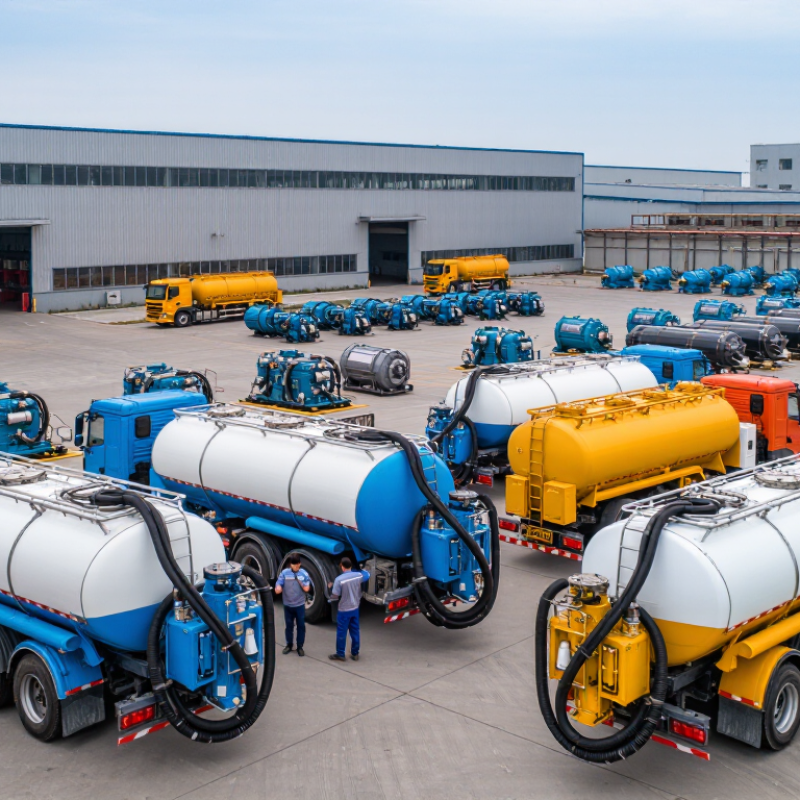
A septic tank cleaner manufacturer designs and produces equipment used to remove sludge, wastewater, and debris from septic systems. Its products may include vacuum trucks, suction pumps, hoses, filters, control panels, and supporting maintenance tools. Some manufacturers also develop treatment units for separating solids and liquids.
The manufacturer’s role extends beyond factory production. Engineers select corrosion-resistant materials, calculate suction pressure, and test equipment under demanding working conditions. Technicians may inspect pumps after long shifts, when thick sludge has entered the hose. Field feedback often reveals problems that laboratory testing misses. It is not simple.
Reliable manufacturers provide clear specifications, maintenance instructions, replacement parts, and operator training. They should explain tank capacity, suction distance, discharge speed, and cleaning requirements without exaggerated claims. Independent quality checks, traceable components, and documented factory testing improve buyer confidence. However, no manufacturer can guarantee identical performance at every site.
When comparing Chinese manufacturers in 2026, buyers should review production experience, technical staffing, export records, and after-sales response. Factory visits or live equipment demonstrations can expose weak welds, poor hose fittings, or confusing controls. A low purchase price may hide higher repair costs. Some product pages also describe ideal conditions rather than ordinary field use. Careful questions matter.
How China’s Top Manufacturers Are Evaluated in 2026
China Top 10 Septic Tank Cleaner Manufacturers in 2026
How China’s Top Manufacturers Are Evaluated in 2026
In 2026, evaluating septic tank cleaner manufacturers requires more than comparing product prices. A credible review examines factory experience, engineering depth, production records, and customer feedback. Manufacturers should explain pump capacity, tank volume, hose durability, noise levels, and maintenance intervals in clear technical language.
Evidence matters.
Factory visits can reveal welding quality, storage conditions, testing equipment, and worker training. Reviewers should request serial-number records, inspection reports, material certificates, and performance data from recent projects. A manufacturer with practical field experience can discuss blocked pipes, muddy access roads, cold weather, and limited service space. A polished showroom alone proves little.
Reliability also depends on support after delivery. Evaluators should check spare-parts availability, response times, installation guidance, warranty terms, and technician communication. Trial operation is useful: observe suction stability, discharge control, cleaning speed, fuel use, and operator safety features. Independent customer references add authority, but they may not tell the whole story. Some feedback is selective. That weakness should be acknowledged.
A balanced ranking should combine verified production capability, measurable performance, compliance documentation, customization skill, and long-term service. Cost still matters, especially for municipal contractors and small operators. However, the cheapest machine may create higher repair costs later. Each score should be traceable, updated, and open to correction when new evidence appears.
China Top 10 Septic Tank Cleaner Manufacturers in 2026? - How China’s Top Manufacturers Are Evaluated in 2026
Anonymized evaluation framework for septic-tank cleaning vehicles, vacuum sewage trucks, sludge-removal equipment, and related support capabilities
| No. | Evaluation Dimension | Weight | What Is Measured | Evidence Used for Verification | Scoring Rule |
|---|---|---|---|---|---|
| 1 | Product Performance | 18% | Vacuum capacity, suction efficiency, tank volume options, discharge performance, operating cycle, and suitability for liquid waste and sludge. | Technical datasheets, test reports, pump specifications, tank drawings, and documented operating parameters. | 1–5 points |
| 2 | Build Quality and Durability | 14% | Tank material, corrosion protection, weld quality, chassis integration, component service life, and resistance to demanding sanitation environments. | Material certificates, production inspection records, warranty terms, quality-control procedures, and field-service evidence. | 1–5 points |
| 3 | Safety and Regulatory Compliance | 12% | Vehicle safety, pressure and vacuum protection, emergency shut-off systems, electrical safety, road-use compliance, and applicable market requirements. | Applicable Chinese compliance documents, inspection certificates, safety manuals, and export conformity documentation where required. | 1–5 points |
| 4 | Customization Capability | 11% | Ability to configure tank capacity, pump type, hose length, reel design, drive layout, control system, chassis platform, and regional requirements. | Approved configuration lists, engineering drawings, previous project specifications, and documented modification capability. | 1–5 points |
| 5 | After-Sales Support | 11% | Warranty coverage, spare-parts availability, remote troubleshooting, repair response, maintenance documentation, and operator training. | Warranty policy, spare-parts catalogues, service-level commitments, training materials, and support-channel records. | 1–5 points |
| 6 | Export and Documentation Readiness | 10% | Export packaging, English manuals, commercial documentation, customs support, container-loading plans, and experience with destination-country requirements. | Packing specifications, sample manuals, export process documents, shipping records, and destination-specific compliance files. | 1–5 points |
| 7 | Manufacturing Capacity | 8% | Production facilities, assembly capability, equipment availability, quality-control checkpoints, lead-time consistency, and ability to handle repeat orders. | Factory audit findings, production schedules, process-flow records, inspection equipment, and verified capacity statements. | 1–5 points |
| 8 | Total Cost of Ownership | 7% | Purchase price, fuel or energy use, routine maintenance, consumables, spare parts, downtime risk, and expected operating cost. | Comparable quotations, maintenance schedules, component prices, energy-consumption data, and lifecycle cost calculations. | 1–5 points |
| 9 | Environmental Performance | 5% | Spill prevention, odor-control options, wastewater containment, noise control, emissions compliance of the vehicle platform, and responsible waste handling. | Environmental declarations, equipment specifications, operating procedures, applicable emissions documents, and site-assessment records. | 1–5 points |
| 10 | Transparency and Market Credibility | 4% | Clarity of product information, traceability of specifications, responsiveness to technical inquiries, verifiable project references, and consistency of public data. | Official product documentation, audit responses, customer reference checks, quotation consistency, and documented communication records. | 1–5 points |
China’s Top 10 Septic Tank Cleaner Manufacturers
China’s Top 10 Septic Tank Cleaner Manufacturers in 2026 should be judged by practical performance, not factory size alone.
Leading manufacturers typically produce vacuum tankers, sludge pumps, suction hoses, and compact cleaning systems. Their equipment serves municipal contractors, property managers, farms, and industrial sites.
A reliable manufacturer should show clear flow-rate data, tank capacity, pump materials, and maintenance procedures. Factory visits or verified project records can reveal important details.
Look for corrosion-resistant tanks, reinforced hoses, emergency shut-off systems, and easy access to replacement parts. Some suppliers offer custom truck bodies or trailer-mounted units. However, technical brochures may sound better than field results. Ask for operating videos, inspection reports, and customer references from similar climates. Real experience matters.
Tips:
Key Products, Technologies, and Service Capabilities
China Top 10 Septic Tank Cleaner Manufacturers in 2026?
China’s leading septic tank cleaner manufacturers now offer vacuum trucks, high-pressure jetting units, sludge pumps, and compact cleaning systems. Their equipment often combines corrosion-resistant tanks, automatic overflow protection, and hose reels reaching difficult access points. Some models support remote diagnostics, helping technicians monitor pump pressure, tank levels, and engine conditions during service.
Technology matters, but field performance matters more. High-pressure water jets can loosen hardened deposits, while vacuum systems remove liquid and dense sludge separately. Manufacturers with strong engineering teams usually provide tank customization, safety testing, installation guidance, operator training, and spare-parts support. Response time is important too. A broken vacuum pump can stop an entire route.
Tips: Check independent test records, pump capacity, hose length, tank material, and local service coverage before purchasing. Ask for maintenance intervals in writing. Do not rely only on brochure figures.
Experienced buyers should inspect weld quality, valve accessibility, noise levels, and cleaning efficiency under real working conditions. A practical trial is valuable. However, no manufacturer is perfect, and some published performance data may require independent verification. Reliable suppliers explain these limits clearly and adjust designs for climate, road conditions, waste density, and customer workload. That honesty deserves attention.
How to Select the Right Chinese Manufacturer for Your Needs
Choosing from China’s top ten septic tank cleaner manufacturers requires more than comparing prices. A reliable buyer should examine cleaning capacity, suction strength, tank volume, and compatibility with local septic systems. Ask for factory test reports, material specifications, and clear performance data. Photographs are useful, but they do not replace a live inspection or video demonstration.
Experience often reveals overlooked details. Check whether the manufacturer provides installation guidance, spare parts, operator training, and responsive after-sales support. Confirm production capacity before placing a large order. Review warranty terms carefully, especially for pumps, valves, hoses, and corrosion-prone components. A polished catalogue may still hide weak service. I learned that the hard way. A small sample order can expose packaging problems, unclear instructions, or delayed communication before they become expensive issues.
Tips: Request references from comparable projects, not only general testimonials. Compare at least three written quotations with identical specifications. Verify factory certifications and export experience independently. Ask how the equipment performs in cold weather, narrow streets, or high-solid waste conditions. Do not select the lowest quote automatically. Total cost includes transport, training, maintenance, and downtime. A checklist helps, but it is never perfect; actual testing should influence the final decision. Look for a manufacturer willing to discuss limitations openly, because honest technical advice is often more valuable than impressive sales language.
Article Source:

Whether your solution requires a single pumping application or an expansive engineered system,
CheckPoint is committed to becoming your partner in excellence.


