


China Top 10 99% Pure Sodium Ascorbyl Phosphate Suppliers?
Sodium ascorbyl phosphate is a vitamin C derivative used in cosmetic formulations. For buyers, choosing a supplier involves more than comparing prices or reading a product page. This guide introduces ten China-based suppliers for consideration, while recognizing that supplier rankings can change and require independent verification. The keyword “99% Pure Sodium Ascorbyl Phosphate Powder” can sound precise, but a stated purity level alone does not establish product suitability. Ask how the assay was measured, and whether the result applies to the specific batch offered.
A useful supplier review looks at practical evidence. Request a recent certificate of analysis, technical data sheet, safety data sheet, and clear batch identification. Check whether the documents match the product name, grade, and lot number. Ask about sample availability, packaging, storage guidance, production capacity, and typical lead times. Small details matter. A sealed sample and a responsive technical contact can tell you more than a polished brochure. Still, one sample cannot prove consistent quality across future orders. That deserves a second look.
This overview is intended as a starting point, not a guarantee or endorsement. Compare suppliers using the same questions, and confirm specifications before placing an order. Where claims are unclear, ask for written clarification. The process can feel repetitive, but careful checks help reduce avoidable surprises. A supplier’s stated experience is useful; verifiable records are better.
What Is 99% Pure Sodium Ascorbyl Phosphate?
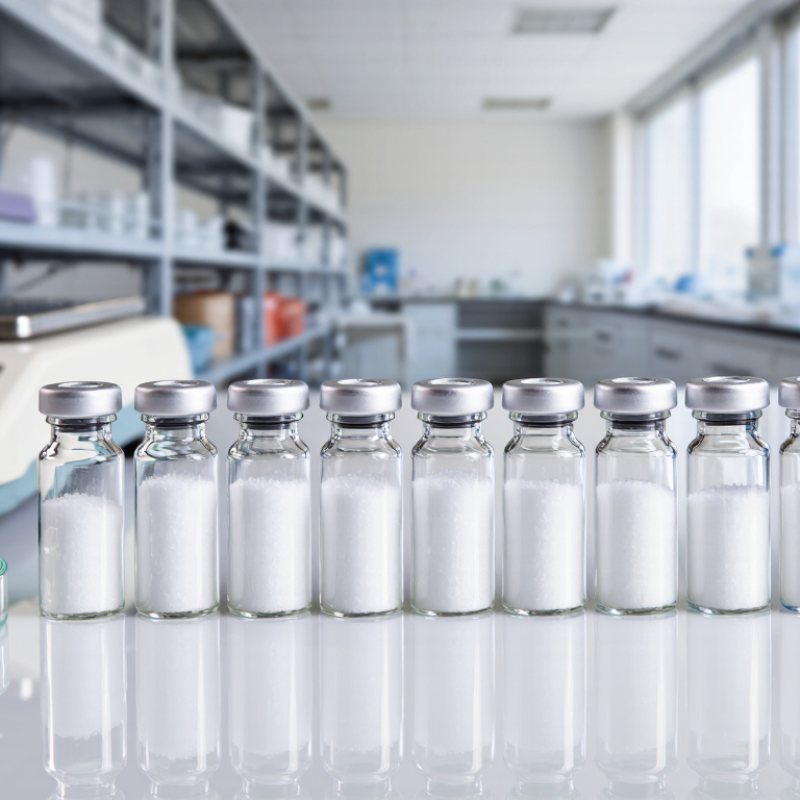
99% pure Sodium Ascorbyl Phosphate, or SAP, refers to the ingredient’s measured assay, not its percentage in a finished skincare product. SAP is a water-soluble vitamin C derivative used in cosmetic formulas. Its powder may look uniform and pale, but appearance cannot confirm purity. That distinction matters. A “99%” figure should be supported by a batch-specific certificate of analysis, with the test method and reporting basis clearly stated. Moisture and residual impurities can also affect how the result is interpreted.
In a formula, performance depends on more than the raw material’s assay. Water content, pH, packaging, and storage conditions can influence product stability. A formulator would typically review solubility and compatibility in the actual formula, rather than assume that a high-purity powder guarantees a particular result. I would not treat 99% as proof of efficacy. It is one useful quality indicator, not the whole quality story. When comparing suppliers, check that documentation matches the batch, and ask how the material should be stored. Even careful records can leave questions; that is worth acknowledging.
How to Assess Chinese Suppliers and Product Quality
When assessing Chinese suppliers of 99% pure sodium ascorbyl phosphate, look beyond a product page. Request a current specification sheet and a batch-specific certificate of analysis. Check whether the stated purity is measured on a dry basis, and ask which analytical method supports the result. The number alone can be misleading. A credible supplier should explain identity testing, moisture limits, and relevant impurity controls in clear terms. Review manufacturing and quality-system documents, but verify their scope and dates rather than relying on logos or broad claims.
Ask for a small sample from a production lot, then compare its appearance, solubility, and documentation with the specification. For higher confidence, arrange independent laboratory testing using an agreed method. Confirm that the sample and later orders can be traced to the same lot records. Discuss packaging, storage conditions, shelf life, and how the supplier handles deviations or complaints.
Paperwork can look tidy. I would still check the details.
Response speed and technical answers matter, but they do not prove product quality.
One awkward point: a supplier may have strong documents yet provide incomplete explanations. Treat that as a reason to ask more questions, not as proof of poor quality.
China’s Top 10 Sodium Ascorbyl Phosphate Suppliers
China’s Top 10 Sodium Ascorbyl Phosphate Suppliers should be assessed by evidence, not just product claims. Sodium ascorbyl phosphate is a vitamin C derivative used in cosmetic formulations. A supplier’s technical documents should identify the material, state the assay method, and explain whether a 99% purity figure applies to the product as supplied or on a dry basis. That distinction matters.
Request a recent certificate of analysis and compare it with the specification sheet. Check the assay, moisture, appearance, and any listed impurities. Ask whether the certificate represents a specific production batch, and whether retained samples or traceability records are available. A neat website is not proof. Check the details. Samples can help assess handling and consistency, but one successful sample does not establish long-term batch performance.
For a practical shortlist, compare at least ten suppliers on documentation, sample quality, response clarity, packaging, and delivery capability. Confirm that packaging protects the powder from moisture and that storage guidance is clear. Ask direct questions about test methods and quality controls; vague replies deserve follow-up. I would not treat a low price as a quality signal, though price alone cannot tell the full story. Even careful checks have limits, so record what was verified and what remains uncertain.
China Top 10 99% Pure Sodium Ascorbyl Phosphate Suppliers? — Technical Reference
Sodium ascorbyl phosphate (SAP) has the molecular formula C₆H₆Na₃O₉P. This chart shows the number of atoms of each element in one formula unit; it is not a supplier ranking or a comparison of product purity.
Formula reference: PubChem, Sodium ascorbyl phosphate. Verify any supplier’s purity claim against its current certificate of analysis.
How to Verify Purity, Certifications, and Manufacturing Claims
A supplier’s “99% pure” claim needs more than a polished product page. Ask for a recent batch-specific certificate of analysis and check whether the assay uses HPLC or another stated method. Confirm the result is reported on an as-is or dry basis; moisture can change the comparison. The document should identify sodium ascorbyl phosphate, show the assay result, and include a batch number matching the sample. Paper can look convincing.
Purity is not the same as identity or overall quality. Review relevant tests for water content, residual solvents, and elemental impurities, with limits and methods stated clearly. Where results matter, request testing from an independent laboratory accredited to ISO/IEC 17025 for the applicable methods. Check the report date and sample details, too. A certificate without traceable sample information leaves room for doubt.
Treat certification and manufacturing statements as claims to verify. Request current certificates, confirm their scope covers the actual production site, and ask how batches are traced from raw materials to finished powder. A site audit or documented quality procedures can help substantiate the story. I would still ask what changed between batches; suppliers do not always explain this well. Particle size and packaging may affect handling, but they do not prove 99% purity.
How to Compare Suppliers for Your Sourcing Needs
For 99% pure sodium ascorbyl phosphate, compare evidence behind the claim, not just the quoted price. Ask whether the assay is reported on an as-is or dry basis, which validated method was used, and whether the certificate of analysis matches the exact production lot. Check moisture, impurity limits, batch consistency, packaging, and stated shelf life. Request a recent sample and review its test results against the supplier’s specification.
Numbers can mislead.
Supplier evaluation should also cover traceability, change-control procedures, audit access, and realistic lead times. The World Bank’s 2023 Logistics Performance Index ranked China 19th among 139 economies; this offers broad logistics context, not a guarantee of any supplier’s delivery performance. Cosmetics Europe reported European cosmetics and personal-care retail sales of €96 billion in 2023, a useful indicator of the sector’s scale, but not proof of demand for this ingredient.
Use such reports as context, then verify each supplier directly. I still find this easy to overlook: a polished document can hide gaps in lot-level evidence. Test the details.
Compare quotations only after aligning assay basis, order quantity, packaging, and delivery terms. Keep a written record of unanswered questions, too; a small uncertainty can become a costly delay.

Whether your solution requires a single pumping application or an expansive engineered system,
CheckPoint is committed to becoming your partner in excellence.


