What Is the Best LED Poster Screen in 2026?
Choosing the best Led Poster Screen in 2026 requires more than comparing screen size or advertised brightness. A strong display must perform in real environments, from bright retail entrances to dim exhibition halls. It should present sharp images, stable colors, and smooth motion without consuming excessive power. These details affect daily operations, not just first impressions.
This guide examines the factors that experienced buyers should check before investing. Pixel pitch influences viewing distance. Brightness affects outdoor visibility. A high refresh rate reduces visible flicker during camera recording. Weather protection, cooling design, cabinet weight, and front-access maintenance also deserve careful attention. Software compatibility matters too, especially when several screens require centralized content updates.
Small details matter.
Reliable evaluation should include warranty terms, spare-part availability, technical support, and the supplier’s installation record. A low purchase price may become expensive when modules fail or repairs require overseas shipping. Independent test data is useful, but it should not replace an on-site demonstration. Product claims can sound impressive. Real performance may differ.
This comparison will consider image quality, durability, energy efficiency, portability, content management, and total ownership cost. It will also acknowledge an important limitation: there is no universal winner. A shopping mall, conference venue, transport hub, and outdoor event may need different specifications. The “best” Led Poster Screen depends on viewing distance, operating hours, climate, budget, and service expectations. Careful buyers should question unclear measurements and allow room for practical testing before making a final decision.
What Is an LED Poster Screen?
What Is the Best LED Poster Screen in 2026?
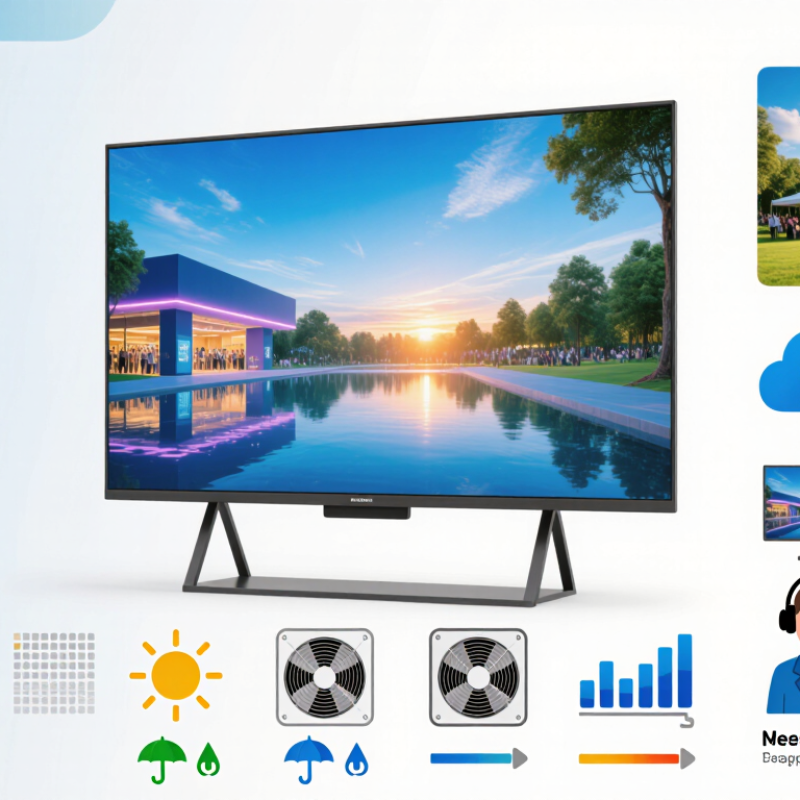
What is an LED poster screen? It is a slim, freestanding digital display built from light-emitting diodes. Unlike a paper poster, it produces moving images, video, and changing messages without printed materials. A typical unit includes a cabinet, controller, power supply, and protective front surface. Its narrow shape helps it fit beside entrances, counters, aisles, and event pathways.
The technology is more practical than it first appears. According to Fortune Business Insights, the global LED display market is projected to grow strongly through 2032, supported by retail, transportation, and public-space communication. The U.S. Department of Energy also reports that LED lighting offers high efficiency and long service life compared with traditional lighting. However, an LED poster screen still needs careful evaluation. Brightness, pixel pitch, viewing distance, ventilation, content control, and maintenance affect real performance. A vivid image can look poor when viewed too closely.
Check the details.
Industry experience shows that installation conditions often matter more than impressive specifications. For indoor use, moderate brightness may reduce glare and energy waste. Outdoor placement requires stronger weather protection and stable temperature control. The International Energy Agency continues to emphasize efficiency as digital infrastructure expands. That reminder is easy to overlook. The “best” screen is not always the brightest or largest; it should remain readable, reliable, and manageable in its actual location. Surface fingerprints, loose cables, and outdated content can weaken the result surprisingly quickly.
Key Features for Comparing LED Poster Screens
Choosing the best LED poster screen in 2026 requires more than comparing price and brightness. Pixel pitch should match viewing distance. For indoor retail, fine-pitch displays can preserve readable product details at close range. Brightness also matters, but excessive brightness may cause glare and unnecessary power use. The U.S. Department of Energy reports that LED lighting uses at least 75% less energy than incandescent lighting, although complete screen efficiency depends on processors, cooling, and content settings.
Reliability deserves equal attention. Check the refresh rate, grayscale performance, viewing angle, heat management, and front-service design. A screen near a window may need stronger brightness and automatic sensors. A busy entrance may need a higher refresh rate for smooth video capture. MarketsandMarkets valued the global digital signage market at approximately USD 27.1 billion in 2024 and projects strong growth through 2030. This expansion suggests wider adoption, but not every specification deserves equal weight. I would not choose a screen using brightness alone.
Tip: Request a live demonstration with small text, skin tones, and fast motion. Measure power consumption during normal content, not only standby mode. Review the warranty, spare-part availability, and content-management compatibility. These details often reveal practical costs. A cheaper unit can become expensive after repeated service visits. I have also found that published viewing angles may look optimistic in bright spaces. Test before committing.
Best LED Poster Screen Types for Different Uses
The best LED poster screen depends on its location, viewing distance, and daily workload. A retail shop often benefits from a fine-pitch indoor screen. It shows product details clearly from two to five meters away. Its slim cabinet also fits beside shelves or glass entrances. Brightness should remain comfortable indoors. Too much brightness can make skin tones look harsh and reduce visual comfort.
For transport hubs and busy corridors, a high-brightness poster screen handles strong ambient light better. Automatic brightness control is valuable near windows. Outdoor advertising needs sealed cabinets, reliable cooling, and protection against rain and dust. Check the stated protection rating, not just the seller’s wording. A double-sided model can serve people walking in both directions. That can improve visibility without requiring two separate units. Portable rental screens need lighter cabinets and quick-lock connections. They may sacrifice some fine detail for easier handling.
Technical checks matter more than impressive images. Ask for pixel pitch, brightness range, refresh rate, power consumption, and service access. Confirm whether one technician can replace a module safely. Review the warranty terms and spare-part availability in writing. A screen that looks excellent in a dark showroom may struggle beside direct sunlight. I have seen buyers overlook floor space for the base and rear ventilation. That small mistake caused installation delays. Measure the doorway, electrical outlet position, and audience distance before ordering.
How to Choose the Best LED Poster Screen in 2026
What Is the Best LED Poster Screen in 2026?
How to Choose the Best LED Poster Screen in 2026
Choosing the best LED poster screen starts with the location, not the product brochure. Measure viewing distance, walking speed, ambient light, and available floor space. A fine pixel pitch gives sharper images at close range. However, it may increase cost and power use. Brightness matters near shop windows, but excessive brightness can look harsh and waste energy.
Look for stable colors, smooth video playback, and simple content updates. A reliable screen should support scheduled campaigns, remote monitoring, and quick file replacement. Check its weight, wheels, handle design, and setup time. Staff may move it several times each week. Small design flaws become obvious then. Ask about heat control, ventilation, operating noise, and power consumption. These details affect daily usability more than impressive resolution numbers.
Durability also deserves careful attention. Confirm the enclosure rating for the intended indoor or outdoor environment. Review the warranty, spare-part access, technical support, and safety certifications. Independent testing is more useful than vague performance claims. I would not choose a screen from brightness alone. That was an easy mistake to make when comparing specifications. Total ownership cost includes electricity, maintenance, transport, and possible downtime. No screen is perfect. The strongest choice balances visibility, mobility, content control, service reliability, and the actual habits of the people who will use it.
What Is the Best LED Poster Screen in 2026?
Recommended LED poster screen brightness by installation environment
Brightness is one of the most important selection criteria. Indoor locations generally require 600–1,200 nits, window-facing installations need about 1,500–3,000 nits, and outdoor displays typically require 4,000–7,000 nits to remain readable in daylight. The best screen should also match the viewing distance, pixel pitch, refresh rate, power efficiency, and weather protection required by the site.




