



Best Centrifuge Tube Types for Your Laboratory Needs?
Centrifuge Tubes are essential tools in many laboratories. Choosing the right type can enhance your experiments significantly. Various sizes and materials of centrifuge tubes are available, each designed for specific applications.
Understanding your laboratory needs is critical. Some researchers prioritize strength and durability, while others focus on volume or temperature resistance. Manufacturers offer a range of options, from plastic to glass tubes, which often influence results.
It is important to consider factors like compatibility with substances, centrifugation speed, and the type of analysis you plan to conduct. Reflecting on these aspects can improve efficiency. However, the abundance of choices may cause confusion. Balancing performance and cost is often a challenge for lab personnel. Each centrifuge tube type has its strengths and weaknesses. Being aware of these can help you make informed decisions.
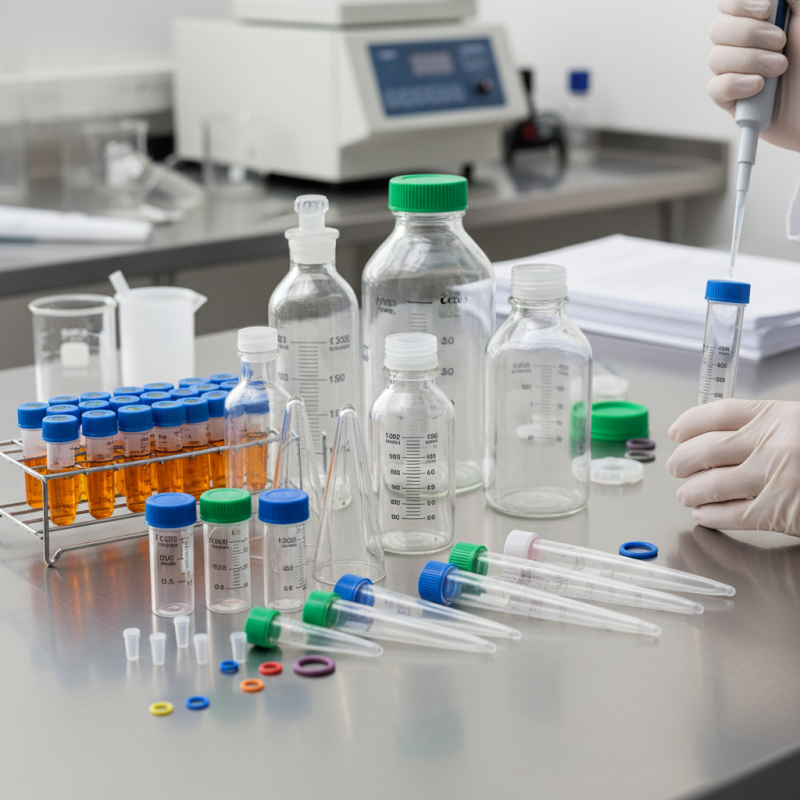
Types of Centrifuge Tubes and Their Applications in Laboratories
Centrifuge tubes are essential in laboratory settings. Various types of these tubes cater to different applications. Polypropylene tubes are common. They are sturdy and can withstand high speeds. These tubes resist chemicals, making them ideal for biological samples.
Glass centrifuge tubes offer clarity and chemical resistance. They are suitable for sensitive experiments. However, glass is heavier and more fragile than plastic. This factor can lead to breakage, which may compromise experiments.
Flextube or disposable tubes provide convenience. They eliminate the need for cleaning and sterilization. However, their use may lead to increased waste. This raises considerations about environmental impact. Each tube type has its pros and cons. Understanding these differences helps in selecting the right one for specific laboratory needs.

Key Factors to Consider When Selecting Centrifuge Tubes
Selecting the right centrifuge tube for laboratory work involves several key considerations. One primary factor is the tube material. Polypropylene is a popular choice due to its chemical resistance and durability. According to a recent study, polypropylene tubes can withstand temperatures up to 120°C, making them suitable for a variety of applications. In contrast, polystyrene tubes may offer clarity but are less robust against heat, which limits their usage.
Another critical factor is the tube's volume capacity. Centrifuge tubes commonly come in sizes ranging from 1.5 mL to 50 mL. A survey of laboratory practices revealed that 70% of users prefer a 15 mL tube for its balance between usability and capacity. This preference highlights how tube choice can affect workflow efficiency. It’s essential to assess how often the tubes will be used, which can sometimes lead to oversight in selecting the optimal size.
Furthermore, it’s important to evaluate the tube's compatibility with rotor types. Some tubes may not fit standard rotors. Misalignments can lead to centrifuge malfunctions, resulting in sample loss. Industry reports indicate that 15% of laboratories faced challenges due to improper tube selection. Hence, careful consideration in this aspect can save time and resources in the long run.
Best Centrifuge Tube Types for Your Laboratory Needs
This chart illustrates the different types of centrifuge tubes commonly used in laboratories along with their applications and advantages.
Comparative Analysis of Material Types for Centrifuge Tubes
When selecting centrifuge tubes, the material type significantly influences performance. Polypropylene is widely used due to its strength and resistance to chemicals. Glass tubes are another option, often offering clarity and precision. However, they are heavier and can break easily, raising safety concerns.
Consider the required temperature range. Polycarbonate tubes perform well in cold temperatures but may deform in intense heat. Evaluate the type of samples you will process. Biological samples often require sterile and non-reactive tubes.
Tip: Always check if the tube can withstand the desired centrifugation speed. Tubes must endure the forces without bending or breaking. Each material has its limitations.
Tip: Think about the ease of use. Some tubes come with built-in stoppers that simplify liquid transfer. This can enhance workflow efficiency in busy labs. Not every design suits all applications, so choose wisely.
Storage and Handling Best Practices for Centrifuge Tubes
When it comes to handling centrifuge tubes, proper storage and management are crucial for maintaining sample integrity. Centrifuge tubes should be stored upright in a stable, cool environment. Avoid placing them in direct sunlight. Storing them in a dedicated drawer prevents accidental spills and contamination.
Tips: Always label your tubes. Include sample information and dates. This practice helps prevent mix-ups, especially in high-throughput labs. Check the expiry dates of tubes regularly to avoid using damaged or expired items.
Handling centrifuge tubes requires careful attention. Gently mix samples before centrifugation to ensure even distribution. When sealing tubes, avoid over-tightening, which may cause damage. Each tube type has specific requirements, so be sure to follow the manufacturer’s guidelines for best results.
Tips: Always inspect the tubes for cracks or discoloration before use. Discard any that show signs of wear. Proper training for lab personnel is vital. Regular refreshers on tube handling and storage can help maintain best practices.
Future Trends in Centrifuge Tube Design and Innovation
Centrifuge tubes are evolving rapidly. The future focuses on enhanced materials and eco-friendly designs. Researchers now prioritize biocompatibility. New innovations aim to minimize contamination risks. These advancements are crucial in molecular biology and biochemistry.
One significant trend is the development of lightweight, durable tubes. Improved designs reduce the risk of breakage during high-speed centrifugation. Additionally, manufacturers are exploring recycled materials. Sustainability is becoming a priority in laboratory supplies. Scientists desire reliable products that minimize environmental impact.
Another area of innovation is user-friendly features. Tubes with graduated markings enhance accuracy. Color-coded lids simplify identification, improving workflow efficiency. Yet, some designs may compromise sterility or integrity. Ongoing evaluation of these products will ensure they meet laboratory standards. As technology advances, we must remain vigilant about potential trade-offs in design.
Best Centrifuge Tube Types for Your Laboratory Needs
| Centrifuge Tube Type | Volume (mL) | Material | Max RCF (x g) | Key Features |
|---|---|---|---|---|
| Standard Polypropylene Tube | 15 | Polypropylene | 20,000 | Autoclavable, Sterile options |
| Conical Bottom Tube | 50 | Polyethylene | 15,000 | Wide neck for easy pouring |
| Microcentrifuge Tube | 1.5 | Polypropylene | 20,000 | Snap cap, Low binding |
| Purification Tube | 2.0 | Polypropylene | 15,000 | Designed for DNA/RNA purification |
| Ultra-Capacity Tube | 250 | Polycarbonate | 10,000 | High durability and strength |
Article Source:

Whether your solution requires a single pumping application or an expansive engineered system,
CheckPoint is committed to becoming your partner in excellence.


