



10 Best Bucket Tooth Manufacturers in 2026?

The global construction equipment market is expanding, and wear components are receiving closer attention. Grand View Research estimated the market at approximately USD 250 billion in 2023, with continued growth expected through 2030. That expansion increases demand for reliable Bucket Tooth systems on excavators, wheel loaders, and mining machines.

Small parts can create large costs.

A worn tooth reduces digging efficiency, increases fuel consumption, and may damage the adapter or bucket lip. The International Energy Agency has also highlighted efficiency pressures across energy-intensive industries, including mining and construction. These pressures make tooth design, steel quality, heat treatment, and replacement intervals commercially important.

This guide evaluates ten leading Bucket Tooth manufacturers for 2026. The assessment considers product range, material performance, machine compatibility, field reputation, distribution strength, warranty support, and aftermarket availability. Manufacturer documentation and independent industry data guide the comparison. Practical experience still matters. A tooth that performs well in dry soil may fail quickly in abrasive granite.

No ranking is perfect.

Public reports often combine buckets, attachments, and broader construction equipment categories. They rarely isolate tooth sales. Therefore, this list does not treat market size as the only measure of quality. It also examines engineering consistency, casting or forging standards, retention systems, and documented wear performance. ISO-based quality systems can support confidence, but certification alone cannot prove superior field life.

Buyers should verify part numbers, pin dimensions, working conditions, and local stock before ordering. Price remains relevant, but downtime can cost more than the initial purchase. The strongest manufacturer is not always the largest one. In some applications, a regional supplier may provide faster support and better fitment. That possibility deserves honest consideration.
10 Best Bucket Tooth Manufacturers in 2026?

What Are Bucket Teeth and Why Do They Matter?

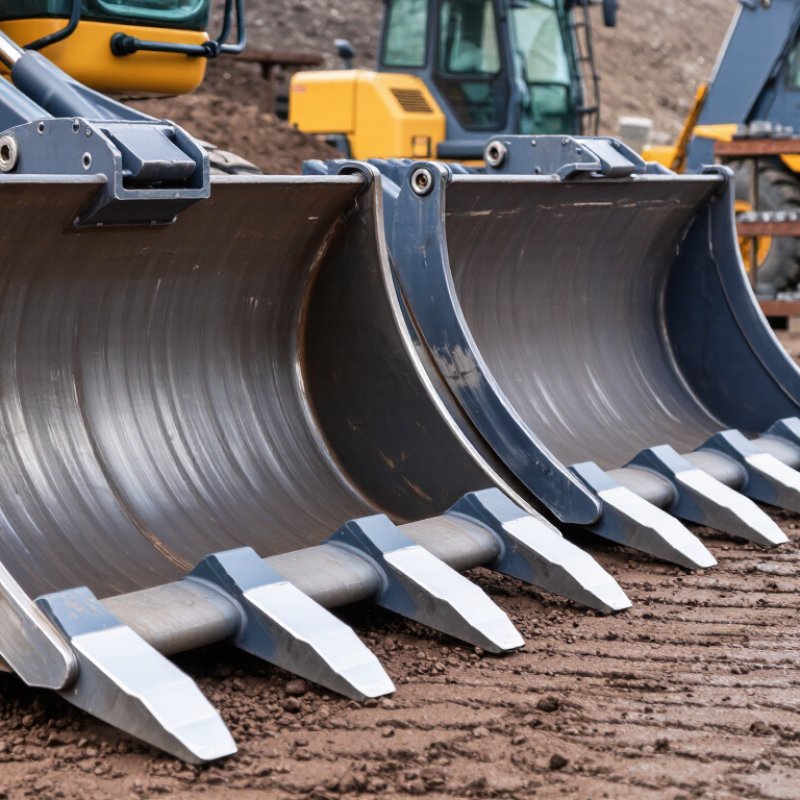
Bucket teeth are replaceable cutting points fitted to an excavator or loader bucket. They contact soil, gravel, clay, and broken rock before the bucket shell does. Their shape controls how easily the bucket penetrates the ground. Sharp, well-matched teeth can reduce digging resistance and improve material flow.

Small parts. Large consequences.

A tooth normally connects to an adapter with a pin or locking system. During field inspections, I look for edge rounding, cracks, loose retainers, and uneven wear. These details often reveal poor alignment or unsuitable tooth geometry. A worn tooth can increase fuel use, slow the work cycle, and place extra stress on the bucket lip. In abrasive ground, even a strong tooth may wear quickly. That is not always a manufacturing fault.

Material hardness matters, but hardness alone does not guarantee reliable service. Good manufacturers balance toughness, casting quality, fit accuracy, and consistent heat treatment. Buyers should compare tooth weight, adapter compatibility, wear patterns, and replacement availability. Clear dimensional data is more useful than vague claims about “premium” performance. I once saw a heavy tooth fail early because its locking system was poorly fitted. The lesson was uncomfortable: product strength cannot compensate for incorrect installation.

Regular checks should include the pin, adapter, and bucket lip, not only the visible tooth. A practical supplier also provides inspection guidance, traceable specifications, and responsive technical support. These points help contractors select bucket teeth for actual ground conditions rather than choosing by appearance alone.

How to Evaluate Bucket Tooth Manufacturers in 2026

Evaluating bucket tooth manufacturers in 2026 requires more than comparing prices. Fortune Business Insights valued the global construction equipment market at about USD 185 billion in 2023. Replacement demand will remain significant as machines work in harsher conditions. A reliable manufacturer should provide traceable steel grades, controlled heat treatment, and consistent dimensional tolerances. Ask for hardness profiles, impact results, and inspection records. A polished certificate is not enough.

Fit matters in the field. Check tooth weight, adapter compatibility, locking security, and penetration geometry. Then request a controlled wear trial using the same excavator, soil, and operating hours. Record tip loss, cracking, fuel use, and replacement time. The 2024 Off-Highway Research outlook describes construction equipment demand as cyclical, so suppliers must also prove stable delivery during market shifts. A strong factory should show capacity data, quality-control staffing, and realistic lead times.

Warranty terms deserve careful reading. Does coverage include premature cracking, poor fit, or only manufacturing defects? Ask for anonymized warranty rates and corrective-action reports. I would not trust one laboratory result. Field evidence is stronger, although field comparisons are rarely perfect. That is the uncomfortable part. A cheaper tooth may perform well in soft soil but fail quickly in abrasive rock. Evaluate total operating cost, not the invoice alone. Supplier audits, sample inspections, and customer references make the decision more defensible.

10 Best Bucket Tooth Manufacturers in 2026

Choosing among the 10 best bucket tooth manufacturers in 2026 requires more than comparing catalog prices. Tooth performance depends on steel chemistry, casting control, adapter fit, and ground conditions. Grand View Research reports continued growth in the global construction equipment market, driven by infrastructure spending and equipment replacement. That growth increases demand for wear parts, including excavator and loader teeth.

Independent buyers should examine hardness consistency, impact resistance, and documented field testing. Look for tooth systems tested in abrasive sand, crushed rock, and wet clay. A useful supplier should publish dimensional drawings, material specifications, and batch traceability. Fortune Business Insights identifies infrastructure expansion and mining activity as major forces in the heavy equipment market. However, tooth-specific data remains limited. That is a weakness.

Ask for measurable evidence. Check penetration force, wear rate, and service hours under comparable loads. A tooth that lasts longer may still perform poorly if it reduces digging efficiency. Fit matters greatly. Small alignment errors can create uneven adapter wear and unexpected downtime. ISO-certified quality systems can strengthen confidence, but certification alone does not prove field performance. Real operator feedback matters more than polished claims. Some suppliers also provide reclaimable steel programs, which may reduce replacement waste. The environmental benefit depends on collection and processing conditions. I would compare at least three samples before selecting a long-term manufacturing partner. Lab results help. Jobsite records decide.

How the Top Manufacturers Compare by Product and Industry

10 Best Bucket Tooth Manufacturers in 2026: How the Top Manufacturers Compare by Product and Industry

Choosing among the ten best bucket tooth manufacturers in 2026 requires more than comparing prices. Product design must match the working material, machine size, and duty cycle. Standard teeth suit general construction and soft soil. Penetration teeth perform better in compacted ground. Reinforced options handle quarrying, mining, and demolition more reliably. A professional comparison should examine alloy composition, heat treatment, casting accuracy, and adapter fit. Traceable batch records also improve purchasing confidence.

Industry demands create different winners. Quarry operators usually prioritize abrasion resistance and predictable wear. Mining contractors need impact strength, secure locking systems, and stable supply. Construction fleets may value fast replacement and broad excavator compatibility. Agricultural users often prefer affordable teeth with simple installation. Field reports, laboratory wear tests, and warranty data should support every ranking. However, no ranking is perfect. Ground conditions change quickly, and a highly rated tooth may underperform on unusually abrasive rock. I would recheck local performance before making a large order.

Tips: Compare wear life per operating hour, not purchase price alone. Request material certificates and fit drawings. Inspect used teeth for uneven wear, cracking, or adapter movement. Keep a small trial batch before approving full deployment. Ask about lead times, replacement availability, and technical support. Small details matter.

Bucket Tooth Product Fit by Excavator Industry Segment

Excavator operating-weight classes provide a practical, brand-neutral way to compare bucket tooth manufacturers. Smaller machines generally use lighter-duty teeth for landscaping and utility work, while larger excavators require heavier tooth systems designed for quarrying, mining, and high-impact excavation.

How to Choose the Right Bucket Tooth Supplier for Your Needs

Choosing the right bucket tooth supplier requires more than comparing catalog prices. Field experience matters. A tooth that fits the adapter but loosens after one shift creates costly downtime. Ask suppliers for steel grades, heat-treatment records, dimensional drawings, and batch traceability. The ISO Survey 2023 recorded more than 1.2 million ISO 9001 certificates worldwide, but certification alone does not prove wear performance. Request independent test results, not polished claims.

Match the tooth profile to your material, machine power, and digging angle. Abrasive granite needs different hardness and penetration than wet clay. Check impact resistance, replacement frequency, and average service hours. A useful quotation should include freight, lead time, pins, adapters, and warranty terms. The World Steel Association reported approximately 1.89 billion tonnes of crude steel production in 2023, showing broad material availability. It does not guarantee consistent alloy quality. Ask how each batch is inspected.

Supplier reliability also appears during small problems. Can they provide emergency stock? Do they answer technical questions clearly? Do drawings match delivered parts? I have seen buyers focus too heavily on unit price. That choice often becomes expensive later. Still, hardness is not everything. Excessive hardness may increase cracking in severe impact conditions. Compare samples under your actual working conditions, record wear after several shifts, and revise your decision when the evidence disagrees with your first impression.

10 Best Bucket Tooth Manufacturers in 2026? - How to Choose the Right Bucket Tooth Supplier for Your Needs

Rank Anonymous Supplier Profile Primary Manufacturing Base Typical Product Coverage Common Material Manufacturing Process Best Application Fit Typical Lead-Time Range Customization Potential Evidence to Request Before Ordering
1 Large-Scale OEM Replacement Supplier Asia, Europe, or North America Common excavator, loader, and mining tooth systems Alloy steel with controlled heat treatment Closed-die forging or precision casting, followed by heat treatment High-volume construction and rental fleets 4–10 weeks for standard items Medium to high for approved drawings and samples Material certificate, hardness results, dimensional report, and wear-test data
2 Heavy-Duty Mining Wear-Part Supplier Mining and industrial manufacturing regions Large bucket teeth, adapters, shrouds, and lip protection High-toughness alloy steel or abrasion-resistant steel Heavy-section casting, forging, and controlled cooling Quarrying, hard rock, and high-impact digging 6–14 weeks for engineered parts High, subject to engineering review Impact-toughness data, failure analysis, casting inspection, and field references
3 Precision Forged Tooth Manufacturer Established metal-forming production centers Forged teeth, adapters, pins, and retaining systems Heat-treated medium- to high-carbon alloy steel Hot forging with machining and batch heat treatment Applications requiring consistent fit and reduced breakage 5–12 weeks, including tooling when required High for new profiles and private-label tooling Forging traceability, grain-flow information, hardness profile, and sample approval
4 Casting-Based General Construction Supplier Regional foundry and machinery-production clusters Standard teeth for excavators, loaders, and backhoes Cast alloy steel with wear-resistant chemistry Investment or sand casting with post-cast heat treatment General earthmoving and cost-sensitive replacement programs 3–8 weeks for catalog parts Medium for low- to medium-complexity profiles Chemical composition, casting inspection, sample dimensions, and defect-control procedure
5 Compact Equipment Wear-Part Supplier North America, Europe, or specialized Asian facilities Mini-excavator, skid-steer, and compact loader teeth Wear-resistant alloy steel suited to smaller sections Precision casting or forging with CNC finishing Landscaping, utilities, agriculture, and light construction 2–6 weeks for stocked products Low to medium; standard fit is usually preferred Exact machine compatibility, pin dimensions, stock availability, and return policy
6 Custom Engineering and Low-Volume Supplier Local or regional engineering-production centers Non-standard teeth, adapters, and application-specific profiles Specified alloy steel selected according to impact and abrasion conditions Prototype machining, casting, or forging with iterative testing Special buckets, demolition, trenching, and unusual ground conditions 6–16 weeks for new designs Very high; drawing and reverse-engineering support may be available Engineering drawings, prototype plan, design-change control, and acceptance criteria
7 Fleet Replacement and Distribution Supplier Warehousing hubs near major equipment markets Fast-moving teeth, adapters, pins, and retainers Commercial heat-treated alloy steel Sourced or contract-manufactured components with incoming inspection Maintenance departments prioritizing availability 1–4 weeks from regional inventory Low; mainly catalog-based supply Stock records, batch identification, compatibility chart, and replacement guarantee
8 Private-Label Export Manufacturer Export-oriented industrial manufacturing zones Catalog and private-label bucket tooth systems Alloy steel grades selected for wear and impact balance Casting or forging with outsourced or in-house heat treatment Importers, distributors, and regional aftermarket programs 5–12 weeks, depending on order volume High for packaging, markings, and approved product variations Factory audit, production sample, packaging approval, and export documentation
9 Abrasion-Focused Agricultural and Quarry Supplier Agricultural, quarrying, and wear-steel production regions Loader teeth, cutting edges, bucket wear plates, and adapters Abrasion-resistant alloy steel Heat-treated plate fabrication, casting, or forged components Sandy soil, gravel, agricultural material, and moderate abrasion 4–10 weeks for mixed product orders Medium to high for wear geometry and material selection Hardness range, abrasion-test method, weldability guidance, and service-life records
10 Regional Full-Service Wear-Part Partner Near the customer's operating or distribution market Standard teeth plus pins, adapters, shrouds, and bucket repairs Application-specific alloy steel Mixed manufacturing, machining, inspection, and repair services Customers needing technical support and short replenishment cycles 1–6 weeks for stocked or locally produced parts Medium; strongest in fitment and service support Local references, service response time, inspection records, and warranty terms
Selection note: Lead times, minimum order quantities, prices, hardness values, and service-life results vary by tooth profile, machine model, material specification, order quantity, and operating conditions. Confirm all technical and commercial data with the supplier using an approved drawing, sample, inspection plan, and written quotation.

Whether your solution requires a single pumping application or an expansive engineered system,
CheckPoint is committed to becoming your partner in excellence.