


2026 Top Pump Systems What Buyers Need to Know?

In the ever-evolving market of pump systems, making an informed choice is crucial for buyers in 2026. Many factors influence these decisions, such as efficiency, durability, and cost-effectiveness. Understanding the diverse applications of pump systems can help in selecting the right model for specific needs.

Buyers should consider the reliability and brand reputation of these systems. Various manufacturers offer different technologies, each with unique strengths and weaknesses. Engaging with experts and consulting reviews can provide insights into the latest innovations. Still, potential buyers must question if they are truly aware of their requirements before making a purchase.

As the landscape of pump systems continues to change, staying updated on trends and technologies is vital. Potential pitfalls may exist in terms of compatibility and installation. Reflecting on past purchasing experiences can aid in making a better decision this time around. Thus, gaining knowledge is the key to navigating the complexities of the pump systems market effectively.

2026 Top Pump Systems What Buyers Need to Know?

Understanding Pump System Types and Their Applications

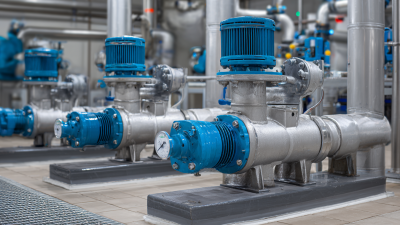
When considering pump systems, understanding their types and applications is crucial. These systems range from centrifugal pumps to positive displacement pumps. Each type serves specific functions. Centrifugal pumps are common in water circulation tasks, providing efficiency in moving fluids. In contrast, positive displacement pumps excel in high-viscosity fluids, often used in industries like food processing.

Different applications require distinct system designs. For example, industrial sectors often need robust pumps for heavy-duty tasks. In contrast, residential systems may seek quieter, energy-efficient options. It's important to analyze the environment where the pump will operate. Factors like temperature, fluid composition, and pressure levels all influence pump performance. Many buyers overlook these details, leading to potential issues.

When choosing a pump system, evaluate reliability and maintenance needs. Regular upkeep can extend the life of the equipment. Understanding the installation process also matters. Complex setups can increase costs and downtime. Reflecting on these aspects can ensure a more informed decision, ultimately leading to better outcomes in pump system usage.
2026 Top Pump Systems: Understanding Pump System Types and Their Applications

Key Features to Evaluate When Selecting Pump Systems

When selecting pump systems, several key features merit attention. Understanding flow rate is crucial. This determines how much liquid is pumped over time. A mismatch can lead to inefficiencies. The right capacity ensures your system works optimally, avoiding overworking the pump or insufficient supply.

Energy efficiency is another important factor. High-efficiency pumps consume less power, thereby reducing operating costs. Consider the pump’s material. Corrosion resistance is vital for longevity, especially in harsh environments. Check for certifications that indicate quality standards. Such details can impact durability and performance.

The design of the pump also affects maintenance. Some systems require more frequent service, which can disrupt operations. It's important to weigh these factors alongside the initial purchase price. Feedback from other users can also provide insights. They might reveal unforeseen challenges or highlight strengths. Balancing these elements is key to a sound investment in pump systems.

Cost Considerations for Buyers: Upfront Pricing vs. Long-Term Savings

When considering pump systems, cost is a critical factor. Buyers often face a tough choice between upfront pricing and long-term savings. Upfront costs can be tempting, but they might not reflect the total expense over time. A lower initial price might lead to higher maintenance and operating costs. It's essential to evaluate the total cost of ownership.

Tips: Look for reliable data on energy consumption. Consider how frequently the system will be used. A pump that seems cheap at first can become expensive if it's inefficient.

Long-term savings often stem from energy-efficient models. These systems might have a higher initial price but can save significant money on utilities. Additionally, durability plays a crucial role. A well-built pump can reduce replacement costs and downtime, providing peace of mind.

Tips: Check warranties and service agreements. Explore user reviews for durability insights. Consider consulting professionals to understand the long-term implications of your choice. A thoughtful analysis can help you navigate the complexity of pump system costs.

Maintenance Tips for Ensuring Longevity of Pump Systems

2026 Top Pump Systems What Buyers Need to Know?

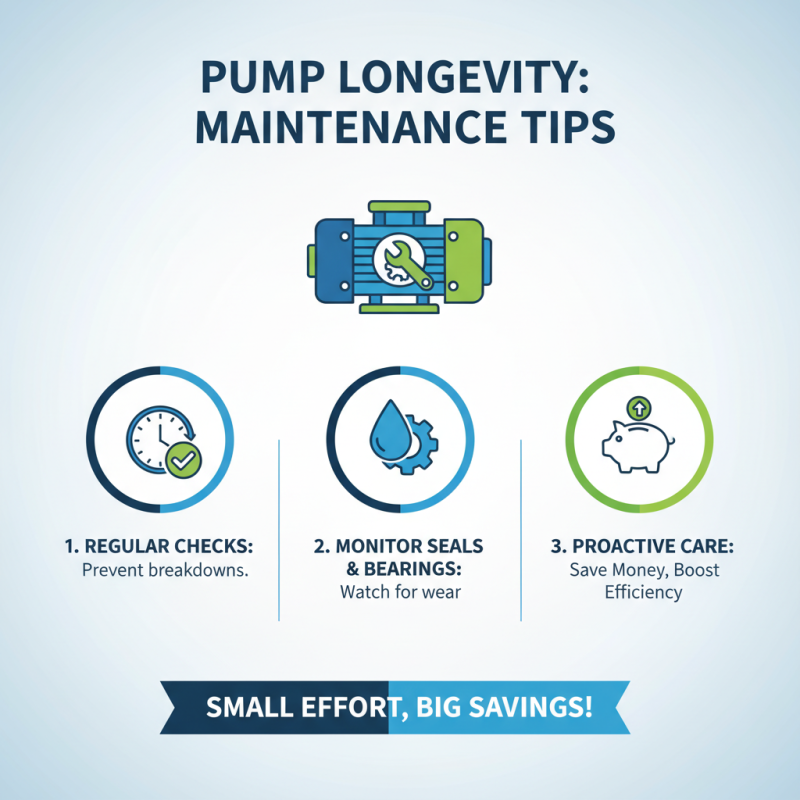
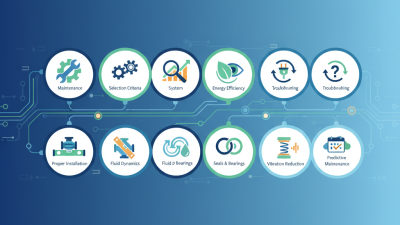
When it comes to pump systems, maintenance is crucial for longevity. Regular checks can prevent costly breakdowns. Monitor the seals and bearings closely. These small parts wear out over time, leading to leaks and inefficiency. A simple inspection can save money in the long run.

Clean the filters regularly to avoid blockages. Dirt accumulation can impair performance. This small task ensures the pump operates smoothly. Additionally, lubricate moving parts as needed. This may seem minor, but it greatly affects the pump’s efficiency.

Ignoring these maintenance steps often leads to bigger issues. Replacement can be unavoidable if small problems escalate. Invest time in a maintenance schedule. It keeps your pump system reliable and efficient. Remember, a little effort goes a long way in ensuring operational excellence.

Future Trends in Pump Technology: What to Expect by 2026

2026 Top Pump Systems What Buyers Need to Know?

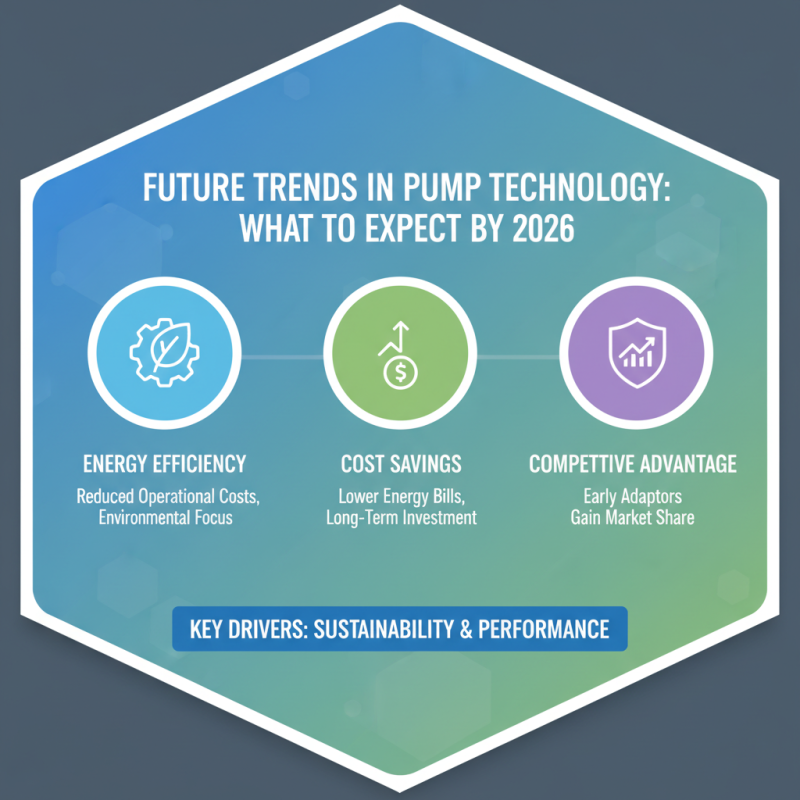
As we look toward 2026, several trends in pump technology emerge. One notable direction involves the growing emphasis on energy efficiency. Many industries are seeking ways to minimize energy consumption while maintaining performance. This trend not only reduces operational costs but also addresses environmental concerns. Companies that adapt quickly will likely gain a competitive edge.

Advancements in smart technology are another significant trend. Integrating IoT with pump systems allows for real-time monitoring and predictive maintenance. This development can minimize downtime and enhance reliability. However, transitioning to smart systems comes with challenges. Organizations must invest in training and robust cybersecurity measures to fully benefit from these innovations.

Tips: Evaluate your current systems. Determine how they align with emerging trends. Investing in training ensures your staff can effectively utilize new technology. Regular assessments can highlight areas needing improvement. Remember, change is gradual and requires thoughtful planning.

Whether your solution requires a single pumping application or an expansive engineered system,
CheckPoint is committed to becoming your partner in excellence.