2026 Top Steel Metal Channel Types for Global Buyers
Choosing a Steel Metal Channel is not just a matter of selecting a familiar shape. Buyers must match section geometry, steel grade, finish, and fabrication method to the project’s real demands. A channel that looks substantial on a sample rack may still be too light for its span or difficult to connect on site. Small details matter.
Steel-section specialist Dr. Alan Mercer puts the selection principle this way: “Choose the channel for its verified dimensions and working loads, not its name alone.” That is a useful starting point, not a substitute for engineering review. This guide introduces common options, including hot-rolled C and U channels, cold-formed channels, and galvanized or stainless-steel sections. Each type brings different trade-offs in strength, weight, corrosion resistance, availability, and cost. Some labels also vary between suppliers and markets. Check the drawing.
Global buyers should compare actual dimensions, tolerances, material certificates, coating details, and delivery conditions before approving a quotation. Ask whether the listed weight is theoretical or measured, and confirm how holes, cuts, and surface treatments affect the finished section. These checks can expose mismatches early, though paperwork alone cannot guarantee consistent quality. A supplier’s clear response to technical questions is useful evidence. Still, it is not proof. The sections ahead offer a practical comparison framework for procurement teams, fabricators, and project engineers. Use it to narrow choices, then confirm suitability against the application’s design requirements.
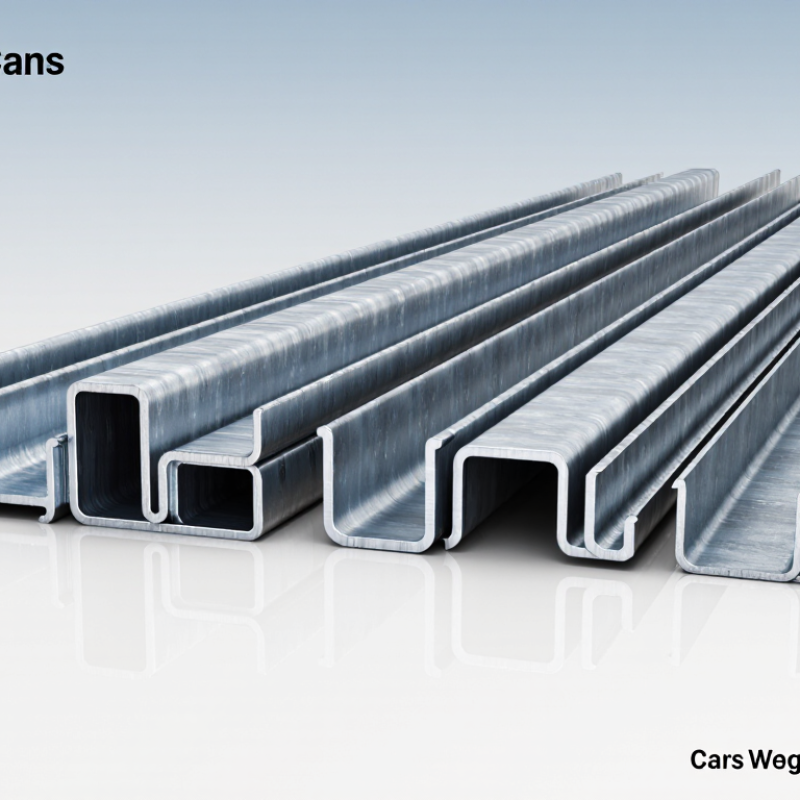
What Steel Metal Channels Are and How They Are Made
Steel metal channels are structural sections with a long central web and two flanges. Their open profile often resembles a C or U, though dimensions and lip details vary. The web resists shear, while the flanges help carry bending loads. Actual performance depends on steel grade, thickness, span, and connection design. These sections appear in frames, supports, equipment bases, and building components. The edges matter. A channel that looks simple can still create fit-up problems where its flanges meet plates or brackets.
Manufacturers produce channels mainly by hot rolling or cold forming. In hot rolling, heated steel passes through shaped rolls that gradually form the web and flanges. Cold-formed channels are commonly made from steel strip fed through successive room-temperature rollers, then cut to length. The method affects available sizes, corner radii, surface condition, and dimensional tolerances.
Producers may straighten sections and inspect dimensions, coatings, and visible defects. Buyers should confirm the section designation, thickness, length, steel grade, and applicable standard on drawings and inspection documents. Nominal dimensions can conceal small variations, so checking a sample before fabrication is sensible. It is easy to overlook this step.
Common Steel Channel Profiles and Their Structural Features
Common Steel Channel Profiles and Their Structural Features
Steel channels differ in how they carry loads, resist twisting, and fit into assemblies. A conventional hot-rolled C-channel has a web and two flanges, forming an open section that suits edge framing, lintels, and equipment supports. Its open shape is useful, but it can twist under eccentric loading. Designers should check restraint and connection details, not just the listed load capacity.
The American Institute of Steel Construction’s Shapes Database v16.0 provides dimensions and section properties for standard C and miscellaneous channel profiles. These values help compare bending strength, weight, and depth before specifying a section.
Cold-formed lipped channels add small return edges at the flange tips. Those lips improve resistance to local buckling, especially in thin-gauge framing, though screw locations and web openings still matter.
Small details matter.
Paired channels can form a stiffer built-up member, but spacing and fastening determine whether they act together. The World Steel Association reported 1,882.6 million tonnes of crude steel production in 2024, reflecting the scale of the supply chain; it does not guarantee identical channel availability in every market. Buyers should verify grade, thickness, straightness, and mill documentation against the project specification.
One overlooked issue: a section that fits the drawing may still be awkward to connect on site.
Steel Grades, Dimensions, Standards, and Surface Finishes
Steel channel selection begins with grade, but grade names are not interchangeable across standards. Buyers may encounter ASTM A36, EN 10025 grades such as S275 or S355, and other regional specifications. Compare the required mechanical properties and product form, then confirm the governing standard with the supplier. A familiar grade label alone is not enough.
Dimensions affect fit and load behavior. Specify channel depth, flange width, web and flange thickness, length, and permitted tolerances. A channel listed as “100 mm” may describe only its nominal depth. Check the full section table and fabrication drawing. Small differences matter at bolted connections. Ask for inspection documents and heat or batch traceability where project requirements call for them. There is no perfect shortcut here.
Surface finish should match storage, handling, and service conditions. Mill-finish steel may suit indoor fabrication, while pickled and oiled material offers a cleaner surface for further processing. Hot-dip galvanizing can improve corrosion protection, but coating thickness and dimensional effects need agreement before production. Specify the finish, inspection method, and relevant standard in the purchase documents. One detail is easy to miss: cut ends and drilled areas may need separate protection. Check them.
How Global Buyers Choose the Right Steel Channel Type
Global buyers should match a steel channel to its load, support conditions, and fabrication method—not just its price per tonne. Hot-rolled U or C channels suit many structural frames, while cold-formed lipped C or Z sections can reduce weight in purlins and light-gauge construction. Compare section depth, flange width, web thickness, and published section properties against the engineer’s design. Details matter.
The scale of steel supply is substantial: World Steel Association’s World Steel in Figures 2025 reports 1,882.6 million tonnes of crude steel production in 2024. That figure describes the wider steel market, not channel availability, so buyers should confirm actual sizes, grades, and lead times with suppliers. Check the paperwork. Request mill test certificates and verify grade, dimensions, and applicable dimensional tolerances, such as those in ASTM A6/A6M or the relevant regional standard. For outdoor or corrosive settings, specify a suitable coating or corrosion protection and confirm how fabrication may affect it. A low-cost section can become expensive if it requires extra welding, awkward connections, or trimming on site. I still think buyers sometimes compare weight before checking fit. It is worth asking the design team to review the exact section designation and intended use before placing an order.