



2026 Top Chicken Layer Cage Types for Poultry Farms

Choosing a Chicken Layer Cage system is not a simple equipment decision. It shapes daily bird movement, egg collection, cleaning, and labor. The scale matters: FAOSTAT reported roughly 93 million tonnes of hen eggs produced worldwide in 2022. That figure reflects a vast, diverse industry—not one universal housing solution. Cage designs and operating needs vary with flock size, building layout, labor skills, and applicable welfare standards.

Poultry-welfare researcher Dr. Michael C. Appleby’s work offers a useful test: housing should be assessed by its effects on birds, not equipment cost alone. This is a paraphrase of his research, not a direct quotation. A farm manager comparing conventional, enriched, and other cage configurations should examine usable space, feeder access, ventilation, inspection routines, and manure handling. Look closely at the corners. That is where poor access or uneven airflow can become visible. Industry guidance, including the FAO’s poultry-production resources, also underscores the role of sound management alongside housing design. Yet reports cannot predict every flock’s response. That is worth remembering.

This guide reviews leading Chicken Layer Cage types for 2026 and the practical trade-offs behind them. It focuses on operation, bird care, and long-term suitability, rather than promising a perfect system. A specification sheet is only a starting point. The house, the flock, and the people managing both matter.
2026 Top Chicken Layer Cage Types for Poultry Farms

Understanding Layer Cage Systems in Poultry Farming

2026 Top Chicken Layer Cage Types for Poultry Farms

Understanding Layer Cage Systems in Poultry Farming

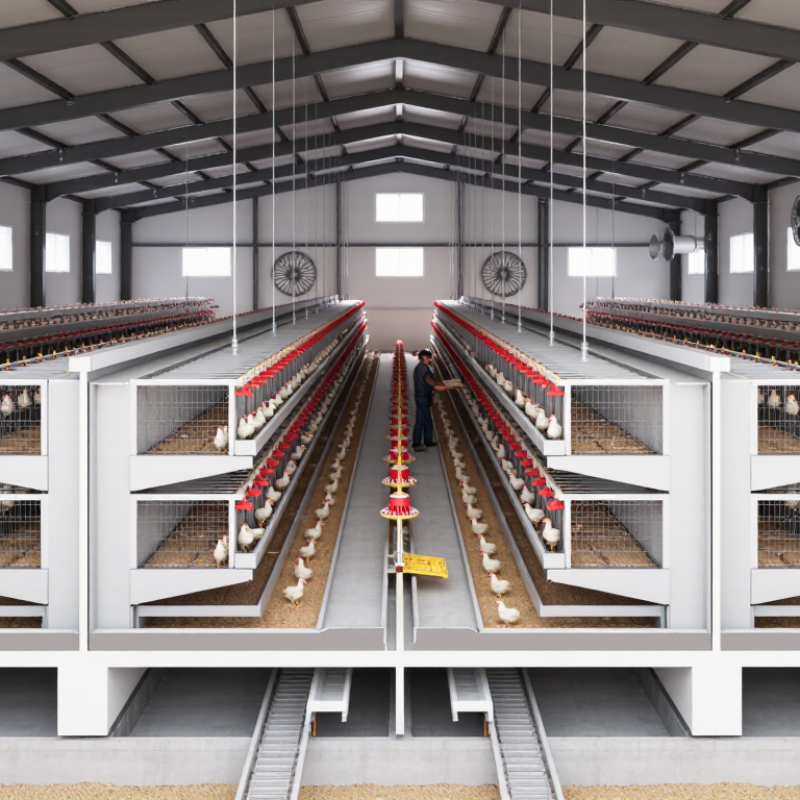
A layer cage system is more than the cage itself. It combines housing, feeders, drinker lines, manure handling, and ventilation. Conventional cages use compact spaces and straightforward equipment. Enriched systems add features such as perches, nest areas, and scratching space. Larger colony layouts house more hens together, so movement and flock management need close attention. Local standards and farm conditions can affect which designs are suitable.

Compare systems by how they work during an ordinary day. Can workers reach a blocked nipple quickly? Does feed remain even along the trough? Are manure belts accessible for inspection? A practical walkthrough can reveal problems that a floor plan misses. Small details matter. Cage rows may look efficient on paper but still restrict access for cleaning or repairs. It is worth questioning a design before installation, especially when future flock size or labor availability is uncertain.

Tips: Check drinker height and water flow at bird level, not just from the service aisle. Check it weekly. Keep simple records of water use, egg condition, and equipment faults; patterns can expose small issues early. No system fixes poor ventilation or inconsistent care, and even a well-planned layout may need adjustment after birds settle in.

Comparing Conventional, Enriched, and Colony Cage Types

Conventional, enriched, and colony cages differ in space, equipment, and daily flock management. A conventional cage typically keeps a small group together, with shared access to feed and water. Its compact layout can make egg collection and routine checks straightforward. But birds have limited room for movement and few opportunities to perch or nest.

Enriched cages add features such as perches, nesting areas, and scratch pads. These give hens more ways to move and express natural behaviors, though usable space and layout vary between systems. Staff must keep nesting areas clean and check that birds can reach feed and water without crowding. More equipment means more to inspect. Small details matter.

Colony cages house larger groups, which can support more movement and social contact than conventional layouts. Yet group size can make individual health changes harder to spot, and competition around resources may occur. Careful observation helps: watch feeding patterns, look for uneven wear on feathers, and check egg areas for damage. These signs need context, not quick assumptions.

A cage type alone does not ensure good flock care. Ventilation, stocking density, maintenance, and staff routines also shape daily conditions. In practice, the best comparison is made against the farm’s flock size, labor capacity, and welfare goals. Even a well-planned system can fall short when routine checks are rushed.

Examining Cage Design, Capacity, and Welfare Features

Layer housing is not a one-size-fits-all purchase. Conventional cages use compact compartments and simple feeding and watering lines. Their layout can make daily egg collection and flock checks straightforward. However, limited room restricts movement and natural behaviors. That trade-off deserves honest attention.

Enriched colony cages add features such as perches, nest areas, and scratch pads. These give hens more opportunities to perch, lay eggs privately, and explore. Check that each bird can reach feed and water without crowding. Capacity depends on cage dimensions, bird size, and usable floor area, not just a supplier’s headline figure. Ask for a clear layout and inspect how the equipment can be cleaned and maintained. Small details matter.

Multi-tier aviary systems are another option, though they are not cages in the usual sense. They allow more movement across levels, but require careful lighting, litter management, and staff training. A poorly managed system can create problems, too. There is no perfect design. Compare welfare features with labor needs, ventilation, and the farm’s available space. Requirements vary by location, so verify current local standards before choosing.

EU Layer Cage Types: Minimum Usable Floor Area per Hen

A comparison of historical conventional-cage and enriched-cage minimums under EU rules.

Enriched cages provide at least 600 cm² of usable floor area per hen within a minimum total cage area of 750 cm². EU rules also require features such as a nest, litter for pecking and scratching, and perches. The 550 cm² conventional-cage figure is a historical EU minimum: unenriched cages have been prohibited in the EU since 2012. These are regulatory minimums, not recommendations for ideal welfare.

Source: EU Directive 1999/74/EC.

Matching Cage Systems to Farm Size and Production Goals

Choosing a layer system starts with daily workflow, not catalogue capacity.

FAOSTAT recorded roughly 91 million tonnes of hen eggs worldwide in 2022.

USDA NASS reported about 7.8 billion dozen of U.S. table-egg production in 2023.

These figures show production scale, not a reason to build bigger. That distinction matters.

For a small farm, modular cage rows can simplify feeding and egg collection, while keeping maintenance accessible. A mid-sized operation may benefit from enriched colony cages with nests and perches, especially when consistent grading and labor savings are priorities.

Large farms often need automated belts and manure handling; these systems make little sense if ventilation, backup power, or trained maintenance staff are lacking. Check aisle width and belt capacity against the actual building plan, not just the seller’s flock estimate.

Aviaries are a different housing category, not a cage type, and need separate space and labor planning. No system fits every farm.

I would also compare local welfare requirements and buyer expectations before investing; production targets alone are an incomplete guide.

Evaluating Installation, Management, and Long-Term Costs

Choosing a layer-cage type starts with the building, not the brochure. Measure aisle width, ceiling height, floor strength, water pressure, and electrical capacity before comparing conventional, enriched, or multi-tier layouts. A retrofit may require reinforced floors, new manure handling, or wider service access. These changes can cost more than the cages themselves. Small gaps matter. Plan installation around bird movement and cleaning, not just maximum housing capacity.

For operating costs, include feed, labor, energy, repairs, manure removal, and downtime. FAO’s Poultry Development Review (2013) reports that feed commonly represents about 60–70% of poultry production costs, so feed access and spillage deserve close attention. Compare systems by inspection time and daily workload, not equipment price alone. Long-term expenses also depend on motors, drinker leaks, corrosion, and spare-part availability. Budget for change. This comparison is imperfect: farm scale, climate, and local prices can reverse apparent savings. Request itemized installation quotes, then check them against a barn walk-through and a multi-year maintenance log.

Whether your solution requires a single pumping application or an expansive engineered system,
CheckPoint is committed to becoming your partner in excellence.