2026 Best Mattress Lamination Machine for Sale
In 2026, choosing a Mattress Lamination Machine for sale starts with the products you plan to make, not the biggest advertised output. A machine handling foam, fabric, and other flexible layers must suit their widths, thicknesses, and bonding requirements. Ask suppliers how the line controls adhesive application, pressure, temperature, and feed speed. These settings can affect bond consistency, surface appearance, and material use. Request a demonstration with materials similar to yours. Watch how operators load rolls, adjust settings, and manage routine stops. Small details matter. A machine may look capable in a showroom, yet prove awkward on a crowded production floor.
Compare working width, production speed, changeover time, and the space needed for installation and maintenance. Check which adhesive systems are compatible, what utilities the machine requires, and whether replacement parts and technical support are available. Ask for clear operating instructions and training arrangements, then review warranty terms carefully. A specification sheet cannot show every real-world limitation. Results still depend on materials, operator practice, and process setup. It is worth asking for references or a trial before committing, especially when introducing unfamiliar materials. There is no single best machine for every factory. The right choice balances product quality, practical capacity, operating costs, and dependable support, while leaving room for future production needs. Some questions may remain after comparing models; record them and get written answers before making a purchase.
What Is a Mattress Lamination Machine?
A mattress lamination machine bonds two or more materials into a single layer used in mattress construction. These materials may include foam, knitted fabric, nonwoven fabric, or cushioning sheets. Depending on the machine and production needs, bonding may use hot-melt adhesive, water-based adhesive, or heat and pressure. It is not magic. The result depends on the material, adhesive amount, and settings working together.
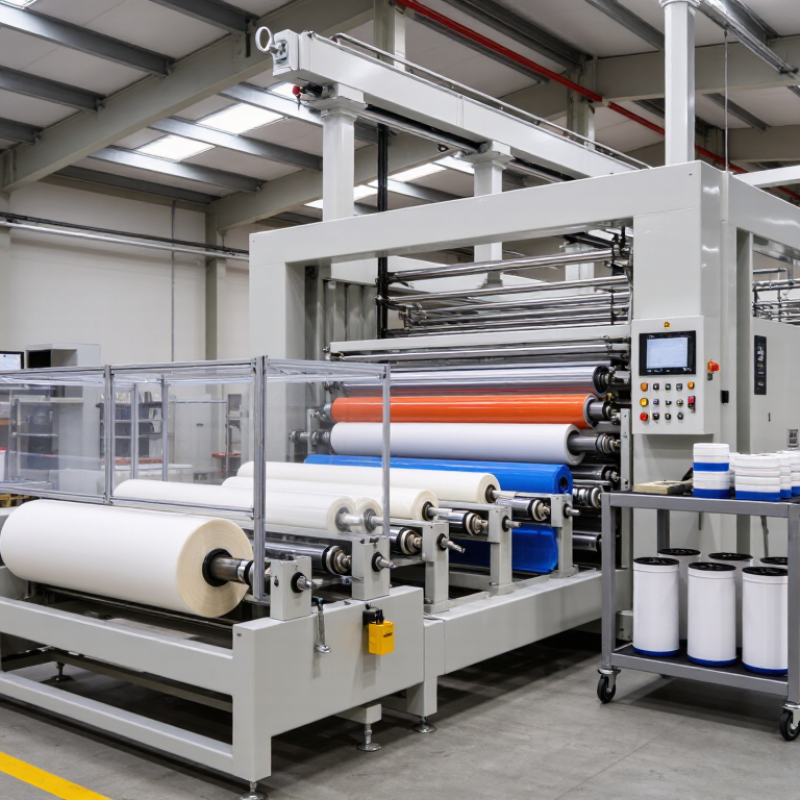
A typical line feeds material from unwind stands, applies adhesive or heat, then presses the layers through rollers. Some machines handle continuous rolls; others suit cut panels. Operators watch the web edges, roller pressure, and bond quality as the material moves through. A wrinkle or uneven adhesive line can show up later as a weak spot or visible surface defect. Small details matter. When comparing equipment for sale, check working width, speed range, supported materials, temperature control, and cleaning access. Ask how quickly settings can be adjusted for different foam thicknesses. A faster line may not help if changeovers take too long. The machine also cannot compensate for inconsistent incoming materials, and that limitation is easy to overlook.
How Does Mattress Lamination Work?
2026 Best Mattress Lamination Machine for Sale
How Does Mattress Lamination Work?
Mattress lamination joins layers of foam, fabric, or other cushioning materials into a stable structure. A machine feeds each layer through a controlled bonding area. Depending on the materials and process, bonding may use adhesive, heat, or both. The layers need even alignment; otherwise, edges can shift and create uneven surfaces. Small details matter.
Before production, operators check material thickness, surface condition, and bonding requirements. The machine applies adhesive or heat, then presses the layers together with rollers or a platen. Pressure and feed speed affect the bond, so settings should match the materials. A fresh sample is worth inspecting for gaps, wrinkles, and weak edges. I would not assume one setting works for every foam type.
Tips: Run a small test before a full batch. Let the bond cure as directed. Keep rollers clean, and check alignment during operation. If a sample peels easily, pause and review the adhesive, temperature, pressure, and material condition rather than simply increasing force.
2026 Best Mattress Lamination Machine for Sale — How Does Mattress Lamination Work?
Mattress lamination bonds foam layers into a single core. The example below shows a representative foam-layer build-up; actual layer thicknesses vary by mattress design.
A lamination line applies a suitable adhesive between prepared layers, aligns the materials, and uses controlled pressure to create a bonded core. Adhesive choice, open time, and pressure depend on the foam and process requirements.
What Components and Specifications Matter?
2026 Best Mattress Lamination Machine for Sale
What Components and Specifications Matter?
A mattress lamination machine should match your materials and daily production volume, not just its advertised speed. Check the infeed conveyor, alignment guides, bonding unit, pressure rollers, and outfeed system. These parts affect how evenly foam or fabric layers meet. Small details matter. Adjustable roller pressure helps accommodate different thicknesses without crushing softer foam. Ask how the machine handles adhesive application, including coverage consistency and cleaning access. A hard-to-clean unit can slow production more than expected.
Compare working width, material thickness range, line speed, and adjustment accuracy against your actual product sizes. If the process uses heat, review temperature control and heating recovery time. Confirm the required electrical supply, compressed-air demand, and floor space before installation. Safety guards and accessible emergency stops deserve close inspection. Test it first. Request a production trial with your own foam, fabric, and adhesive; sample materials may behave differently from your usual stock. Also ask about changeover time and routine maintenance. A faster machine may still be a poor fit if operators struggle to keep layers aligned. Specifications help, but they do not replace a realistic trial. I would not treat one successful test as proof of long-term reliability.
How to Compare Mattress Lamination Machines for Sale in 2026
2026 Best Mattress Lamination Machine for Sale
How to Compare Mattress Lamination Machines for Sale in 2026
In 2026, compare mattress lamination machines by bond quality, not headline speed alone. Fortune Business Insights estimated the global mattress market at USD 52.45 billion in 2023 and projected a 6.3% CAGR through 2032. This forecast suggests continued production demand, but it does not prove any machine will increase your output. Check the working width against your largest panel. Then request a timed run using your foam, fabric, and adhesive. Record accepted pieces per hour, not just conveyor speed. Small distinction. It matters.
Tips: Compare roller pressure control, adhesive consistency, curing time, and edge alignment. Flex a finished sample gently. Look for bubbles, dry spots, or layers that shift. Ask whether operators can save settings for different constructions and clean the adhesive path without lengthy stops. Check energy use, guarding, changeover time, spare-part lead times, and training. Request identical test conditions from every supplier. A fast demo can hide rejects. I’d still allow a trial day; specifications do not capture every operator habit.
What Are the Applications, Maintenance Needs, and Safety Considerations?
2026 Best Mattress Lamination Machine for Sale
Mattress lamination machines bond foam, fabric, quilting, and nonwoven layers into stable components. They are useful for mattress panels, comfort layers, and some upholstered products. The right process depends on material thickness, adhesive type, and production speed. Run small trials before full production; foam can compress unevenly, and some fabrics may distort under heat or pressure. Details matter.
Maintenance is mostly routine, but consistency counts. At the start of a shift, inspect rollers for adhesive buildup, cuts, or uneven wear. Check belts, air lines, and temperature readings against the machine’s operating instructions. Clean only with approved methods, and isolate power before reaching near moving parts. Replace worn components promptly. A brief log of faults and adjustments can reveal recurring drift before it affects a full batch.
Safety needs attention during normal operation, not just repairs. Keep guards in place, secure loose clothing, and never guide material by hand near a nip point. If adhesives or heated processes are used, follow their safety data sheets and maintain suitable ventilation. Operators should know the emergency stop location and practice a clear shutdown routine. Still, checklists can become box-ticking; supervisors should observe actual work and correct unsafe habits respectfully. Every workshop has different conditions, so confirm procedures with the equipment manual and a qualified technician.




